Freshpet is the dog food you find in a glass-front fridge next to the kibble aisle: cooked chicken, beef or fish with vegetables, sold as sliceable rolls or bags of soft chunks. It’s the easiest way to try “fresh” dog food without signing up for a delivery subscription, and dogs tend to love it.
The questions owners actually struggle with come later. How much does it cost to feed a whole dog, not a topper? Why is a bag puffy? Is the diarrhea in week one normal? What happens if you forget the opened roll for ten days? We read the labels, priced the lineup, ran the calorie math and went through Freshpet’s full FDA recall record to answer those, so you can decide in about ten minutes.
Seven Straight Answers About Freshpet
The short version, before the label math and price tables.
- Is Freshpet good for dogs?For most healthy dogs, yes. The core recipes are formulated to meet AAFCO adult maintenance profiles, use real meat first, and are cooked. It’s not a prescription diet and isn’t right for every medical condition.
- Is it raw?No. Freshpet is fully cooked and needs no heating, which is a key safety difference from raw diets.
- How long is it good after opening?Rolls: use within 7 days. Bags: within 5 to 7 days, depending on the product. Uneaten food in the bowl goes in the trash after 1 hour.
- Why is it so expensive for big dogs?It’s mostly water. A 60-lb dog needs roughly 2.4 lb a day, which works out to about $7 to $10 a day at the shelf prices we saw.
- Has Freshpet been recalled?Twice in recent years for possible Salmonella, both single lots, in June 2021 and June 2022. Freshpet reported no illnesses in either case.
- Why is my dog having loose stool?Usually a too-fast switch. Fresh food is richer in fat and moisture than kibble. Transition over about a week, and call your vet if it lasts or comes with vomiting or lethargy.
- Can I make it cheaper?Use it as a topper. Replacing a quarter of your dog’s calories with Freshpet cuts the cost to about a quarter of full feeding while keeping the taste boost.
What’s Actually in Freshpet: A Label Breakdown
We pulled the full label of the core chicken recipe, Freshpet’s everyday best-seller, now sold in newer packaging as the Healthy & Natural Complete Nutrition Chicken Recipe. Recipes differ, so treat this as the benchmark, not the whole lineup.
The ingredient list opens with chicken, followed by ground oats, carrots, rice bran, eggs and natural flavors, then a mineral and vitamin pack (calcium carbonate, potassium chloride, choline chloride, chelated minerals, and vitamins E, A, D3, B12 and others). Spinach and beta-carotene round it out. Nothing on that list should worry a typical owner; it reads like a short, cooked-meat-and-grain recipe with the supplements needed to make it complete.
The label states the food is formulated to meet the AAFCO Dog Food Nutrient Profiles for adult maintenance. That wording matters. “Formulated to meet” means the recipe was designed on paper to hit the nutrient targets, rather than proven in a feeding trial. That’s how most dog foods qualify, and it’s acceptable, but it’s a reasonable question to put to any brand. It also means this specific recipe isn’t labeled for puppies; Freshpet sells separate puppy and all-life-stage recipes for that.
When we converted the guaranteed analysis to a dry matter basis, the picture changed completely. A “12% protein” label sounds thin next to a kibble bag shouting 26%, but strip out the water and this recipe is roughly 33% protein and 28% fat. That’s a rich food. The fat level helps explain both why dogs love it and why some get loose stools when they switch too fast. It’s also why owners of dogs with a history of pancreatitis should talk to their vet before switching to any higher-fat fresh food.
Calories are printed as 1,235 kcal per kilogram, which we worked out to about 560 kcal per pound. The label didn’t list calories per cup, so if you’re measuring by cup, use the feeding chart on the package or weigh portions on a kitchen scale for accuracy.
Freshpet makes dozens of recipes, including grain-free ones. Calories, fat and the life-stage statement vary between them. Before you switch, check three lines on the package: the AAFCO statement (adult maintenance, all life stages, or growth), the calories, and the first few ingredients. If your dog has known sensitivities, also look for specific proteins and binders you’ve been told to avoid.
Package words, decoded
| On the package | What it means | What it doesn’t mean |
|---|---|---|
| “Fresh” | Refrigerated, minimally processed, short shelf life | Not raw, not a legal “human-grade” claim |
| “Formulated to meet AAFCO” | Recipe designed to hit nutrient targets for a life stage | Not proven in a feeding trial |
| “Adult maintenance” | Complete for grown dogs | Not suitable as a puppy’s only food |
| “Grain-free” | No grains; often potatoes or legumes instead | Not automatically healthier |
| “Natural” | Few or no synthetic ingredients beyond vitamins and minerals | Not organic, not a nutrition rating |
| “Sell by” | Last day the store should sell it unopened | Not a pass to keep opened food longer |
The sell-by date is the one that trips people up most. It tells the store when to pull an unopened package. Once you break the seal, the clock that matters is the 5 to 7 days printed on the bag or roll, no matter how far away the sell-by date is. A roll with three weeks left on its sell-by date still has only seven days once it’s open.
“Grain-free” deserves a second look too. It’s a marketing category, not a health category. Grains like oats and rice are good energy and fiber sources for most dogs, and true grain allergies are uncommon compared with protein sensitivities. Unless your vet has a specific reason to avoid grains, there’s no need to pay extra for grain-free.
Freshpet Product Lines, Explained
Freshpet now organizes its dog food under a handful of brands. Older bags in some stores still say “Select”; newer packaging uses the Healthy & Natural naming. Here’s what each line is for.
| Line | Formats | Pitch | Where | Best for |
|---|---|---|---|---|
| Freshpet (core recipes) | Rolls, roasted bags, bite-size, shredded | Everyday cooked recipes; some grain-free | Grocery, Walmart, Target, pet stores | Most dogs, toppers |
| Vital | Bags, shredded, puppy, small & large breed | Simpler ingredients; health-focused claims | Pet stores, grocery | Owners wanting life-stage options |
| Homestyle Creations | Shredded, grilled bites | Home-style ready meals | Grocery, Walmart | Picky eaters; pricier per lb |
| Deli Fresh | Deli-style packs | Protein-rich; some grain-free | Costco | Bulk buyers with freezer space |
| Freshpet Delivery | Custom meal plans | Portioned to your dog, shipped | Online | Owners who want it portioned |
| Dog Joy & Dognation | Fresh treats | Chicken, turkey bacon treats | Grocery, pet stores | Treats only, not meals |
The format choice matters more than the brand name. Rolls are the cheapest per pound and slice cleanly, but they’re dense and a little awkward to portion for tiny dogs. Roasted bags pour like chunky stew and are easier to measure with a cup, but cost more per pound. Bite-size and small-dog bags cost the most per pound, which hurts less when your dog only eats a third of a pound a day.
How Much Freshpet Really Costs to Feed
Sticker prices hide the real number. What you need is cost per day for your dog, and that depends on calories, not package size.
When we priced the lineup on Walmart.com this week, the cheapest option, a 1-pound chicken roll at $2.97, cost about a third as much per pound as a 1-pound Homestyle Creations bag at $8.97. Same company, same fridge. If you’re feeding a whole dog, the format decision can be worth $100 or more a month.
Earlier price surveys found the same 1-pound roll costing several dollars more at regional grocery chains and on Amazon than at Walmart, so it’s worth checking two stores before committing. Big-box prices also tend to be the most stable because Freshpet keeps its own branded fridges stocked there.
We found the cost curve is the single most important thing owners don’t hear in the store. A 10-pound dog on rolls costs under $2 a day, which is about $56 a month and competitive with premium canned food. A 60-pound dog on the roasted bag costs over $10 a day, or about $310 a month. That’s why so many big-dog owners end up using Freshpet as a topper, and why that’s often the smarter choice anyway.
A topper only saves money and keeps your dog lean if you remove the matching calories from the bowl. Adding Freshpet on top of a full kibble ration is the classic way dogs put on a few pounds in a few months. Work out your dog’s daily calories, decide what share comes from Freshpet, and reduce the kibble by that share.
Freshpet Cost Calculator for Your Dog
Enter your dog’s weight and how much of the diet you want to be Freshpet. Use the calories on your recipe’s label if it differs from our default.
Estimates use the standard resting-energy formula. Adjust by watching your dog’s waistline over two to four weeks.
Freshpet Recalls and Safety Record
We went through the FDA’s recall notices for Freshpet dog food. The record is short, and the details are reassuring rather than alarming.
The pattern in both recalls is worth understanding. Freshpet’s own testing caught potential Salmonella, the affected lot was marked for destruction, and a portion was shipped to stores by mistake. In 2021, most of it was stopped at retailer warehouses before reaching shelves. Neither recall involved reported illness. A testing system that catches problems is a good sign; a distribution slip is the weak point, and it’s the reason to know how to check your bag.
Older complaints are about spoilage rather than contamination. In 2016 a Texas TV station reported owners finding mold in Freshpet bags, and the company said at the time that preservative-free fresh food can spoil if packaging is damaged or temperatures slip, and that it had moved to sturdier, puncture-resistant bags and a bigger “use within 7 days” label. Consumer reviews today still mention occasional swollen bags or short freshness, alongside a lot of praise for taste.
Look at the sell-by date on the bottom or back of the package and don’t buy anything at or past it. Skip any bag that’s puffy, swollen, torn or leaking, since swelling can mean gas from spoilage. At home, smell and look before serving: sour odor, slimy texture, discoloration or mold means it goes in the trash, not the bowl. Freshpet’s own advice is simple: when in doubt, throw it out.
Keep the package so you have the lot code and sell-by date, take photos, and contact Freshpet. Its recall notices listed a consumer line at 1-866-789-3737; confirm current hours on freshpet.com. If your dog got sick, call your vet first, and you can also report the problem to the FDA through its Safety Reporting Portal.
What about grain-free and heart disease?
Several Freshpet recipes are grain-free. Between 2018 and 2022 the FDA investigated reports of dilated cardiomyopathy (DCM) in dogs eating certain diets, many of them grain-free and high in peas or lentils. In December 2022 the agency said the reports alone couldn’t establish that any product caused illness, and that it wouldn’t post further updates until it had meaningful new science. The question isn’t settled. If you have a breed prone to heart disease, or no specific reason to avoid grains, a grain-inclusive recipe is the cautious default, and it’s worth asking your vet.
Storage: Where Most Freshpet Problems Start
Most bad experiences we read about traced back to handling, not the recipe. These rules come straight from Freshpet’s guidance, with our notes on making them practical.
Write the opening date on the package
A strip of tape and a marker solves the “how long has this been open?” guessing game. It’s the single cheapest habit that prevents waste and upset stomachs.
Freeze on day one, not day six
If your dog won’t finish a bag in the window, portion the extras into labeled freezer bags right after opening. Thaw a portion in the fridge overnight; Freshpet advises against counter or microwave thawing. A softer, wetter texture after thawing is normal.
Serve small, pick up after an hour
Grazers are the hardest dogs to feed fresh food. Give smaller, more frequent portions, and throw away what’s left after an hour rather than refrigerating bowl leftovers.
Handle it like raw chicken’s safer cousin
It’s cooked, but it’s still perishable. Wash hands before and after, use a clean scoop, and don’t leave a spoon sitting in the bag. Travel with a cooler and ice packs to stay at 40°F or below.
A 10-pound dog eats about 0.6 lb a day, so a 5.5-lb bag would take nine days to finish, past the window. Buy 1- to 2-pound packages for small dogs, or freeze half immediately. A big-box bag only saves money if it’s eaten before it spoils.
Is Freshpet Right for Your Dog? It Depends on the Situation
General reviews say “great food.” The useful answer changes with your dog.
This is Freshpet’s sweet spot. Palatability is the most common praise in consumer reviews. Start with a spoonful mixed into the usual food; many owners find that a small topper is enough to end the standoff without paying for a full fresh diet.
The most common cause is switching too fast to a food that’s wetter and higher in fat on a dry basis. Go back to the old food, then reintroduce over 7 to 10 days, starting around a quarter Freshpet. Persistent diarrhea, blood, vomiting, or a lethargic dog means a vet visit, not more experimenting. Dogs with past pancreatitis should only switch with a vet’s go-ahead.
Cost is the barrier: roughly $7 to $10 a day for a 60-pounder at the prices we saw. A 10% to 25% topper on a quality kibble gives most of the taste benefit for a fraction of the price. For large-breed puppies, use only a recipe whose AAFCO statement covers growth of large-size dogs, since calcium and calorie control matter for their joints.
A strong match. The daily cost is low, the soft texture suits dogs with dental problems, and the bite-size bags are made for small mouths. Just buy small packages so you stay within the opened window, and keep an eye on weight; tasty food plus small bodies can add up fast.
Freshpet is a regular maintenance food, not a therapeutic diet. Dogs with kidney disease often need controlled phosphorus and protein, and dogs with confirmed food allergies may need a hydrolyzed or strict single-protein diet. Show your vet the label before switching; in many of these cases a prescription diet is the right answer.
Fresh food’s high water content means bigger-looking portions for the calories, which can help a dog feel satisfied. But the fat on a dry basis is high in the core recipe, so portion by calories, not by eye. Weigh food on a kitchen scale for the first two weeks.
Availability is real: some reviewers mention empty fridges and long drives. Keep a frozen backup of a few days’ portions, and pack a cooler with ice packs for trips. If your store runs out often, Freshpet’s delivery plans or a shelf-stable backup food avoid a sudden diet switch.
How to Switch to Freshpet Without an Upset Stomach
Most “Freshpet made my dog sick” stories we read describe the same thing: a full bowl of a rich, wet food on day one. A slow switch prevents most of it.
| Days | Old food | Freshpet | What to watch |
|---|---|---|---|
| 1–2 | 75% | 25% | Stool firmness, appetite |
| 3–4 | 50% | 50% | Gas, softer stool is common |
| 5–6 | 25% | 75% | Energy, any vomiting |
| 7+ | 0% (or your topper share) | 100% (or topper) | Weight over the next month |
| Sensitive stomach | Stretch each stage to 3–4 days | Stop and call the vet if it worsens | |
Percentages here mean share of calories, not share of bowl volume. Because Freshpet carries about a third of the calories of kibble per pound, a “50/50” bowl by calories looks like far more Freshpet than kibble. If you mix by eye, you’ll overfeed. In our calorie math for a 30-pound dog, a 50% calorie split came out to about 0.7 lb of Freshpet plus roughly a quarter pound of a typical kibble.
Expect stools to change a little even when things go well. Many owners notice smaller, firmer stools after the first week, which fits the University of Illinois findings on fresh diets. Watery stool that lasts more than a day or two, any blood, repeated vomiting, or a dog who stops eating is a reason to stop the switch and call your vet.
Crumble or dice the Freshpet finely and mix it through the old food rather than piling it on top. Dogs who pick out the good stuff and leave the kibble will still get a gradual change, and you avoid teaching a dog that waiting pays off.
What We’d Buy for Each Kind of Dog
Based on the label, the price spread and the storage window, here’s where we’d start. These are starting points, not prescriptions.
At about $2.97 a pound, the 1-pound roll was the cheapest way into Freshpet that we found, and a 1-pound size stays well inside the 7-day window for dogs under about 40 pounds. Slice along the printed serving marks and dice for small mouths. For larger dogs, the bigger rolls bring the per-pound price close to the roasted bags.
The chunky, pourable texture makes it simple to measure with a cup, and $4.36 a pound is reasonable for a bag format. It suits medium and large dogs who’ll finish it within the window, or anyone willing to freeze half on day one. For a 10-pound dog, it’s too big unless you freeze.
Pricey per pound at about $8.46, but a 10-pound dog eats roughly 0.6 lb a day, so a 1-pound bag lasts under two days and the daily cost stays manageable. The tiny pieces suit small jaws and seniors with missing teeth.
Skip the adult-maintenance recipes for puppies. Look for an AAFCO statement that covers growth, and for dogs expected to weigh 70 pounds or more as adults, one that explicitly covers growth of large-size dogs. Puppies also need more calories per pound of body weight, so check the puppy feeding chart rather than the adult one.
For a 60-pound dog, a 25% topper on the roll costs roughly $1.75 a day for the Freshpet portion instead of about $7 for a full diet. You keep the taste and texture that win over a reluctant eater while the kibble carries the cost.
Freshpet vs. Kibble, Canned and Subscription Fresh Food
Fresh doesn’t automatically mean better. Here’s how the main options trade off for an owner, not a marketing department.
| Option | Cost to feed | Convenience | Storage | Biggest plus | Biggest minus |
|---|---|---|---|---|---|
| Freshpet | Moderate to high; climbs with size | Buy today at grocery | Fridge, 5–7 days opened | Taste, no subscription | Short opened life |
| Subscription fresh (e.g., Farmer’s Dog, Ollie) | Usually highest | Shipped, pre-portioned | Freezer and fridge | Portioned to your dog | Commitment, freezer space |
| Quality kibble | Lowest | Shelf stable | Pantry, weeks | Value, easy | Less appealing to picky dogs |
| Canned wet food | Moderate | Shelf stable unopened | Fridge 3–5 days opened | Long shelf life | Less “fresh” texture |
| Home-cooked | Varies | Labor-intensive | Fridge, freezer | Full control | Easy to get unbalanced |
On the science of “fresh,” the best-known research comes from the University of Illinois. In a short study, beagles eating fresh refrigerated or human-grade diets produced substantially less stool than when eating a standard kibble, as little as about a third as much, and needed less food to hold their weight. The study was four weeks long, used one breed, and was funded by a fresh-food company, so treat it as a signal of higher digestibility rather than proof of health benefits. Less poop is real and welcome; “healthier” is a bigger claim that hasn’t been shown.
Freshpet’s real edge over subscription brands is friction. There’s no quiz, no account and no freezer to clear; you can try a 1-pound roll for a few dollars tonight. Its edge over kibble is taste and texture. Its weakness against both is the short opened life, which turns into waste if the package is too big for your dog.
Veterinary nutrition groups suggest asking whether the company employs a qualified nutritionist, whether its foods go through feeding trials or are formulated to meet AAFCO profiles, what quality control it runs, and whether it will give you the calorie content of any recipe on request. Good brands answer these readily.
One last note on the company itself. Freshpet is growing quickly; it reported net sales of about $305.6 million for the second quarter, up 15.5% from a year earlier, driven by higher volume rather than price increases, and raised its full-year outlook. Rapid growth isn’t a quality guarantee, but it does mean the fridges are likely to stay stocked and the brand isn’t going anywhere.
Questions Owners Still Ask
Do I need to heat Freshpet?
No. It’s fully cooked and ready to serve. A splash of warm water or low-sodium broth can make it more appealing; if you microwave it, let it cool for 30 seconds to a minute before feeding.
Can puppies eat Freshpet?
Only recipes labeled for growth or all life stages. The core chicken recipe we reviewed is labeled for adult maintenance. Large-breed puppies need a statement that specifically covers large-size dogs.
Can I freeze Freshpet?
Yes. Freshpet recommends freezing portions you won’t use within the opened window, in airtight bags labeled with the date, and thawing them in the fridge overnight.
My dog ate Freshpet that was open for ten days. What now?
Watch for vomiting, diarrhea or lethargy over the next day or two, and call your vet if any appear or if your dog is very young, old, or has health problems. Then throw out the rest of the package.
Is Freshpet human-grade?
Freshpet markets its food as made with fresh, natural ingredients, but “human-grade” is a specific claim with its own rules. Check the package; don’t assume it from the word “fresh.”
Why does my bag look puffy?
Swelling can mean gas from spoilage, often from a temperature slip or a damaged seal. Don’t feed it. Keep the package and contact Freshpet or the store for a replacement.
Is Freshpet cheaper than The Farmer’s Dog or Ollie?
Usually, yes, especially on rolls, because there’s no delivery or custom portioning built into the price. Subscription brands quote per dog, so get a quote for your dog’s weight and compare it with the cost-per-day figure from our calculator rather than comparing package prices.
Can I leave Freshpet out for a dog who grazes?
No more than an hour. Freshpet’s guidance is to discard bowl leftovers after one hour and not return them to the fridge. Grazers do better with several small portions through the day.
Does Freshpet work for cats too?
Freshpet sells separate cat recipes. Don’t feed dog recipes to cats as a main diet; cats have different nutrient needs, such as higher taurine and protein requirements.
Where is Freshpet made?
Freshpet cooks its food in the United States in company-run kitchens, including sites in Pennsylvania and a newer, larger facility in Ennis, Texas. The company is spending heavily to expand capacity as sales grow.
Will Freshpet help my dog’s coat or energy?
Many owners report shinier coats and better appetite, especially when switching from a lower-fat food. Those reports are encouraging but anecdotal; a coat change can also reflect more dietary fat or simply eating more of a food your dog likes.
How this review was put together. Ingredient, calorie and storage details come from Freshpet’s labels and feeding and storage guide. Recall details come from FDA recall notices. Prices were recorded from Walmart.com on October 24 and will change. Daily cost and dry matter figures are our calculations using standard veterinary energy formulas. Company figures come from Freshpet’s quarterly results. The digestibility study is from the University of Illinois.
This review is independent and not sponsored by Freshpet or any retailer. It’s general information, not veterinary advice. Talk to your veterinarian before changing the diet of a dog with health problems, a puppy, or a pregnant or nursing dog.
Key sources: U.S. Food and Drug Administration · Freshpet · University of Illinois · AAFCO
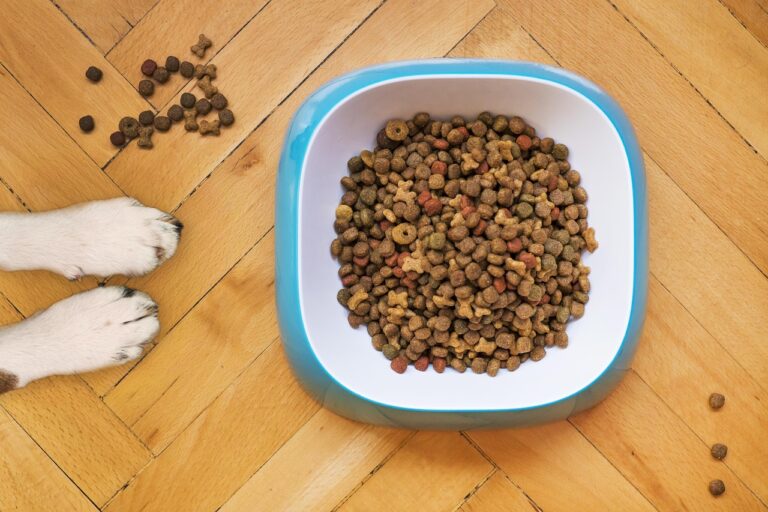
Featured image: Photo by A_Different_Perspective on Pixabay · Pixabay Content License