🔑 10 Key Takeaways: Quick Answers for Dogs with Bad Teeth
Soft pâté-style wet food is the safest bet for dogs with severe dental pain, missing teeth, or post-extraction recovery — no chewing required.
Never switch entirely to wet food alone without consulting your vet, because wet food sticks to teeth more easily and can worsen plaque if oral hygiene is neglected.
Dental-specific kibble only works if your dog can still chew comfortably — large, fiber-matrix kibble scrubs teeth during chewing, but it’s useless if your dog swallows it whole or avoids it.
The Vohc Seal of Acceptance matters more than marketing claims — only products that pass rigorous clinical trials earn this seal from the Veterinary Oral Health Council.
Small breeds are up to five times more likely to develop periodontal disease than giant breeds, so Yorkies, Chihuahuas, and Shih Tzus need extra dietary attention.
Soaking kibble in warm water or low-sodium broth overnight transforms hard food into a soft, familiar meal without changing brands entirely.
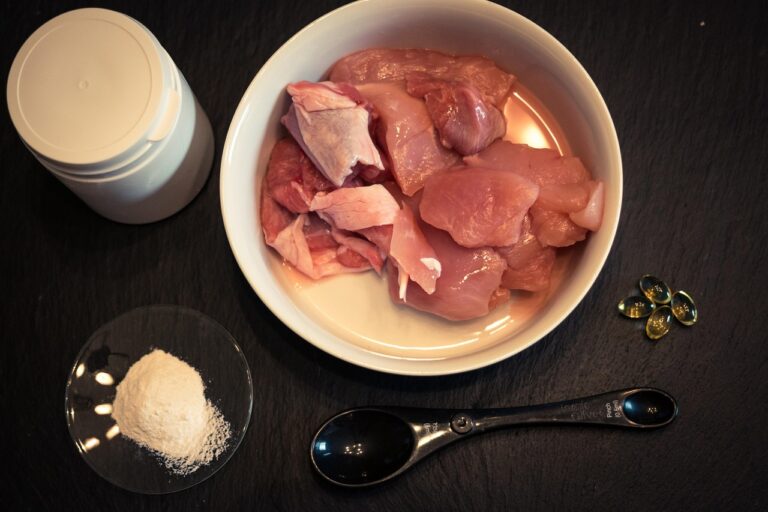
Raw food with finely ground bone can be soft enough for toothless dogs to eat while providing natural enzymes that help prevent further plaque buildup.
Starchy ingredients like chickpeas, lentils, and peas build up on teeth faster and should be minimized in food for dogs with dental problems.
Even toothless dogs still need daily gum brushing — bacteria on gums directly affects heart health and overall systemic wellness.
A professional dental cleaning under anesthesia is the only real fix for existing tartar below the gumline — no food, treat, or supplement can replace it.
🐾 1. Why Is My Dog Suddenly Refusing to Eat? Bad Teeth Might Be the Hidden Culprit
Most dog owners assume picky eating is a behavioral problem. But when a dog who’s always been a good eater suddenly starts dropping food, chewing on one side, or taking forever to finish meals, the real answer is often hiding inside their mouth.
Unfortunately, periodontal disease is usually not recognized until it is at an advanced stage because early diagnosis is often difficult since there are often no outward signs of a problem. Dogs are evolutionary masters at hiding pain. By the time you notice drooling, pawing at the face, or foul breath, the disease has often progressed significantly.
| 🚩 Warning Sign | 🔍 What It Actually Means | 💡 What to Do |
|---|---|---|
| 🐶 Dropping food while eating | Likely tooth pain or loose teeth | Switch to soft food immediately and book a vet dental exam |
| 😤 Terrible breath that won’t go away | Bacterial infection below the gumline, not just “dog breath” | This is not normal — schedule a professional dental cleaning |
| 🤤 Excessive drooling | Gum irritation, ulcers, or oral abscess | Vet visit needed, especially if saliva is blood-tinged |
| 🐕 Chewing only on one side | Specific teeth on the avoided side are painful or infected | Dental x-rays under anesthesia are the only way to find the root cause |
| 🚫 Refusing hard treats or toys | Teeth may be fractured or gums severely inflamed | Eliminate all hard chews and transition to dental-safe soft options |
💡 Pro Tip: Plaque, not tartar, is the main enemy in periodontal disease and tooth loss — it’s an invisible bacterial biofilm laid down on the surface of the tooth, above and below the gumline. That brown buildup you see is tartar, and while ugly, the invisible plaque underneath the gums is doing the real structural damage.
🍲 2. Pâté-Style Wet Food: the Easiest, Safest Option When Every Bite Hurts
When your dog’s mouth is a minefield of loose teeth, inflamed gums, or post-surgical extraction sites, smooth pâté-style wet food is the single most comfortable thing you can put in front of them. There’s no chewing required — dogs can literally lap it up with their tongue.
What to look for in a quality wet food for dogs with dental pain:
Real meat listed as the first ingredient (chicken, beef, turkey — not “meat by-products” or “animal digest”). No high-starch fillers that cling to remaining teeth. Complete and balanced nutrition meeting Aafco standards for your dog’s life stage. High moisture content (typically 75-85%), which also helps with hydration since dogs in pain often drink less.
Top picks in this category include brands like Hill’s Science Diet Adult Savory Stew, Blue Buffalo Homestyle Recipe, and Wellness Complete Health Pâté. Each offers smooth, lappable textures with quality protein sources.
| ✅ Best For | ⚠️ Watch Out For | 💡 Expert Tip |
|---|---|---|
| 🦷 Dogs with severe dental pain, missing teeth, or recent extractions | Pâté can stick to remaining teeth if gums aren’t brushed | Gently warm the food to room temperature — cold food is less palatable and can irritate sensitive gums 🌡️ |
| 🐕 Senior dogs who struggle with any chewing | Some brands have hidden chunks in “pâté” — always check the texture | Mash any remaining lumps with a fork before serving 🍴 |
💡 Pro Tip: Look for wet foods that also contain omega-3 fatty acids (from fish oil or flaxseed). These have natural anti-inflammatory properties that can help soothe irritated oral tissues from the inside out.
🦴 3. Hill’s Prescription Diet t/d Dental Care: the Gold-Standard Veterinary Dental Kibble
If your dog can still chew — even gingerly — Hill’s Prescription Diet t/d is the only dental diet that has consistently maintained the Vohc Seal of Acceptance for both plaque and tartar control since 1998. That’s over two decades of clinical proof, not just marketing fluff.
The mechanism of chewing in dogs is one of the natural ways that helps to decrease plaque accumulation, meaning that safe dog toys and healthy kibble can do some of the teeth cleaning work for us.
What makes t/d different from regular kibble is the oversized kibble shape and unique fiber-matrix technology. Instead of shattering on contact like normal kibble (which means the tooth barely touches the food), the t/d kibble is designed so the tooth sinks deeply into it before it breaks. This creates a wiping action across the entire tooth surface with every single bite.
| ✅ Pros | ⚠️ Cons | 💡 Key Detail |
|---|---|---|
| 🏆 Vohc-accepted for both plaque and tartar | Requires a veterinary prescription | Available at most veterinary clinics and online vet pharmacies 🏥 |
| 🦷 Clinically proven mechanical cleaning action | Not suitable for dogs who can’t chew or swallow kibble whole | Only works if the dog actually chews — gulpers won’t benefit ⚠️ |
| 🥩 Complete and balanced nutrition | May not suit dogs with chicken, beef, or pork allergies | Transition slowly over 5 to 7 days to avoid upsetting the stomach 📅 |
💡 Pro Tip: You will see the most benefit from dental diets when starting with a fresh, clean mouth, free of plaque and tartar. Translation: get a professional cleaning first, then maintain with t/d — don’t expect the food to remove years of existing buildup.
🐟 4. Purina Pro Plan Veterinary Diets Dh Dental Health: the Tartar-Busting Prescription Alternative
Another heavy hitter in the prescription dental food space, Purina Pro Plan Vet Diets Dh also carries the Vohc Seal of Acceptance for tartar control. It features a unique, crunchy texture to help scrape away tartar, and includes appropriate protein content to help maintain ideal body condition plus antioxidant-rich nutrition to support the immune system.
This is an excellent choice for dogs whose vet wants them on a dental diet but who don’t respond well to the Hill’s formula (taste preference, ingredient sensitivity, etc.).
| ✅ Best For | ⚠️ Limitation | 💡 Tip |
|---|---|---|
| 🐕 Dogs who need tartar prevention but can still chew | Prescription required — not available over the counter | Ask your vet if this is appropriate during your dog’s next dental check 🩺 |
| 💪 Maintaining body condition while supporting oral health | Won’t help dogs who are already in dental pain too severe to chew | Pair with daily brushing for maximum results 🪥 |
🥕 5. Royal Canin Dental Care: Prescription and Over-the-Counter Options for Every Stage
Royal Canin offers dental solutions on both sides of the prescription divide. Their Veterinary Care Nutrition Canine Dental formula is a prescription option, while their consumer-facing Dental Care line is available without a vet visit.
Royal Canin Canine Dental has a uniquely designed kibble and a proprietary ingredient that assists with curbing plaque and tartar buildup, and the larger kibble size and stronger fiber-matrix helps “brush” the teeth as the dog chews. They also offer a small-dog formula with appropriately sized kibble for tiny mouths — which is critical because extra-small breeds under 6.5 kg were up to five times more likely to be diagnosed with periodontal disease than giant breeds.
| 🐕 Formula | 🎯 Best For | 💡 Key Advantage |
|---|---|---|
| Rx Veterinary Dental | Dogs with diagnosed periodontal disease needing clinical-grade prevention | Vohc-recognized, available at vet clinics 🏆 |
| Otc Dental Care (regular) | Adult dogs with mild plaque and tartar as a preventive measure | No prescription needed, widely available 🛒 |
| Otc Dental Care Small Dog | Toy and small breeds (Yorkies, Chihuahuas, Pomeranians) | Smaller kibble sized for tiny mouths that are genetically prone to dental disease 🐾 |
💡 Pro Tip: If your small-breed dog currently eats regular-sized kibble and tends to swallow it whole, they’re getting zero dental benefit from chewing. Switching to an appropriately sized dental kibble can make a meaningful difference.
🌿 6. Hill’s Science Diet Oral Care: the No-Prescription Everyday Dental Maintenance Food
For dog parents who want dental benefits without the hassle (or cost) of a prescription diet, Hill’s Science Diet Oral Care is a strong everyday option. It is formulated with a unique kibble texture that gently scrubs teeth as dogs chew, helping to reduce plaque and tartar buildup, and is enriched with antioxidants and balanced minerals to support overall health.
This sits in the sweet spot between regular kibble (which does almost nothing for teeth) and veterinary prescription diets (which require a vet visit). It’s ideal as a preventive diet for dogs who haven’t yet developed serious dental disease but are showing early signs of plaque.
| ✅ Pros | ⚠️ Cons | 💡 Tip |
|---|---|---|
| 🦷 Clinically designed to scrub teeth during chewing | Not Vohc-accepted (less rigorous clinical validation than prescription options) | Best for prevention, not treatment of existing severe disease 🛡️ |
| 💰 More affordable than prescription dental diets | Won’t help dogs who can’t chew at all | Combine with Vohc-approved dental chews for a layered approach 🦴 |
🥩 7. Fresh/Raw Dog Food: Soft Enough for Toothless Dogs, Enzymatic Benefits for Remaining Teeth
Here’s something most dental dog food articles completely miss: fresh and raw dog foods offer a unique dual benefit for dogs with bad teeth. First, they’re naturally soft when thawed — meaning dogs with no teeth at all can eat them comfortably. Second, raw food contains natural enzymes that help inhibit plaque formation on any remaining teeth.
Starch has an easier time building up on a dog’s teeth and can wear them down if not thoroughly cleaned. Most commercial kibble — especially “grain-free” varieties — is loaded with starches like chickpeas, lentils, and peas that become sticky paste on tooth surfaces. Fresh and raw foods typically contain far less starch, reducing this sticky residue problem.
Brands worth exploring include The Farmer’s Dog, Ollie, JustFoodForDogs, and We Feed Raw. Each offers Aafco-compliant, complete nutrition in a soft, easy-to-eat format.
| ✅ Best For | ⚠️ Watch Out For | 💡 Expert Tip |
|---|---|---|
| 🦷 Dogs with no teeth, few teeth, or severe dental pain | Raw food requires proper handling — follow food safety practices | Keep frozen until use, thaw in the fridge, and discard uneaten portions after 2-3 days 🧊 |
| 🐕 Reducing starch-related plaque buildup | More expensive than kibble or canned food | Consider using as a topper mixed with softened kibble to balance cost and benefit 💲 |
💡 Pro Tip: If cost is a concern, you don’t have to go fully fresh or raw. Even adding a spoonful of fresh food as a topper to your dog’s regular softened kibble can reduce the overall starch load per meal.
💧 8. Softened Kibble Method: the Budget-Friendly Hack Your Vet Actually Approves
Can’t afford a full switch to specialty food? Here’s the most underrated, budget-friendly strategy for dogs with bad teeth: soak your dog’s existing kibble in warm water or low-sodium bone broth until it’s completely soft.
This method works because it transforms a food your dog already knows and trusts into something their painful mouth can handle. No brand switching, no flavor rejection, no upset stomach from a sudden diet change.
How to do it right: Pour warm (not hot) water or broth over the kibble and let it sit for 15-30 minutes until the pieces are fully expanded and mushy. Mash with a fork to eliminate any remaining hard bits. Serve at room temperature — never straight from the microwave, as hot spots can burn sensitive, inflamed oral tissues.
| ✅ Pros | ⚠️ Cons | 💡 Tip |
|---|---|---|
| 💰 Zero additional cost — use your current food | Loses the mechanical teeth-cleaning benefit of crunchy kibble | Compensate by adding daily gum brushing to your routine 🪥 |
| 🐶 No transition period needed — same flavor, different texture | Soaked kibble spoils faster — discard after 2 hours at room temp | Prepare only what your dog will eat in one sitting ⏰ |
| 🤒 Excellent for post-surgery recovery meals | High-starch kibble becomes even stickier when wet | Choose a low-starch formula if possible before soaking 🌾 |
🥦 9. Gentle Human Foods That Are Safe for Dogs with Dental Pain
When you’re in a pinch and need something soft and safe right now, certain human foods can serve as temporary meals for dogs with painful teeth. This isn’t a long-term solution, but it’s a lifesaver when your dog is refusing everything in the house.
Safe, soft options include: plain scrambled eggs (excellent protein, very soft), mashed sweet potato (rich in fiber and vitamins), steamed and mashed green beans, boiled boneless chicken shredded finely, plain pumpkin purée (not pie filling — pure pumpkin only), and ripe mashed banana in small amounts.
If you feed your dog cooked food on a regular basis, stay away from foods with high starch content because starch has an easier time building up on a dog’s teeth. Starchy foods like chickpeas, lentils, peas, and most root vegetables should be limited.
| 🍳 Safe Food | 🎯 Why It Works | ⚠️ Caution |
|---|---|---|
| Plain scrambled eggs | High protein, ultra-soft, easy to digest | No butter, salt, or seasonings — plain only 🥚 |
| Mashed sweet potato | Nutrient-dense, naturally soft, dogs love the taste | Give in moderation — it’s calorie-dense 🍠 |
| Boiled shredded chicken | Lean protein, gentle on the stomach | Remove all bones and skin completely 🍗 |
| Pumpkin purée (100% pure) | Fiber-rich, soothes digestion, very soft | Never use “pumpkin pie mix” — it contains harmful spices 🎃 |
| Steamed carrots (mashed) | Anti-inflammatory antioxidants, soft texture | Raw carrots are too hard for dogs with dental pain — always steam first 🥕 |
💡 Pro Tip: Homemade meals are a wonderful short-term solution, but they’re almost never nutritionally complete for long-term feeding. Consult a veterinary nutritionist if you want to cook for your dog permanently to avoid dangerous nutrient deficiencies.
🧪 10. Dental Supplements and Water Additives: the Invisible Layer of Protection Most Owners Skip
Beyond food itself, there’s an entire category of dental health supplements that work from the inside out — and most dog owners have never even heard of them.
The Vohc Council reviews submitted data to ensure it meets the clinical requirements to receive the Seal of Acceptance, and when a product demonstrates dental efficacy, the Vohc Seal of Acceptance is awarded. Several water additives and oral gels have earned this seal, meaning they’ve been clinically proven to reduce plaque or tartar when used as directed.
Products worth investigating include Healthymouth water additive (Vohc-accepted for plaque control), Tropiclean Fresh Breath water additive, and PlaqueOff powder (made from a specific strain of brown algae called Ascophyllum nodosum). Kelp-based dental powders work by being absorbed systemically and altering the composition of saliva, making it harder for plaque to adhere to tooth surfaces.
| 🧪 Product Type | 🎯 How It Works | 💡 Best For |
|---|---|---|
| 💧 Water additives | Added to drinking water daily — antimicrobial agents fight oral bacteria | Dogs who refuse brushing entirely — this is your lowest-effort option 🚰 |
| 🌿 Kelp/algae powder sprinkled on food | Absorbed through digestion, changes saliva chemistry to resist plaque | Dogs with remaining teeth you want to protect long-term 🦷 |
| 🧴 Oral gels and sprays | Applied directly to gums and teeth for targeted antimicrobial action | Dogs who will tolerate brief mouth handling but not a full toothbrush session 💪 |
💡 Pro Tip: Daily use of products that have been awarded the Vohc Seal will help keep your pet’s teeth clean and the gum tissues and bone around the roots healthy. Always check for the Vohc seal before buying — it’s the only independent verification that actually means something.
🍖 11. Dental Chews and Treats: Which Ones Actually Work and Which Are Just Marketing?
The pet store dental chew aisle is a minefield of flashy packaging and unproven claims. Here’s the brutal truth: most dental chews on the market have zero clinical evidence that they do anything for your dog’s teeth. The Vohc only accepts products that pass controlled clinical trials, and that list is much shorter than the store shelf suggests.
Vohc-approved dental chews and treats are clinically proven to help reduce plaque or tartar when used regularly, and offering a daily dental chew can help clean teeth in areas brushing may miss, especially along the gumline.
Clinically validated options include Greenies Dental Chews (available in five sizes, Vohc-accepted), Oravet Dental Hygiene Chews (contain delmopinol, which creates a barrier against plaque), and Virbac C.E.T. VeggieDent chews. For dogs with bad teeth who can’t handle hard chews, the softer options like Greenies in the appropriate size category tend to be gentler.
| 🦴 Chew Type | ✅ When to Use | 🚫 When to Avoid |
|---|---|---|
| Vohc-accepted dental chews (Greenies, Oravet) | Dogs who can still chew gently and have remaining teeth to protect | Dogs with severe pain, loose teeth, or recent extractions 🦷 |
| Frozen treats (frozen broth cubes, frozen banana slices) | Mild dental sensitivity — cold can soothe inflamed gums | Dogs with exposed tooth roots where cold would cause sharp pain ❄️ |
| Raw carrots and apple slices | Dogs with mild early-stage dental disease as supplemental snacking | Dogs who can’t bite down at all — choking hazard if swallowed in chunks ⚠️ |
💡 Pro Tip: Pet owners should ensure that the right-sized product for the body weight of the dog is given, and limit giving treats to times when the owner is available to observe the dog chewing. Choking risk from dental chews is real, especially for dogs who gulp.
🔬 12. Probiotics and Gut-Health Formulas: the Surprising Dental Connection Nobody Talks About
This is the most forward-thinking pick on this entire list, and the one you won’t find in any other “best dog food for bad teeth” article. Emerging veterinary research is exploring the link between gut microbiome health and oral bacteria balance in dogs. Probiotic-enhanced foods and supplements may influence the bacterial populations in your dog’s mouth by improving overall microbial balance from the digestive tract up.
Products like Purina Pro Plan Veterinary Supplements FortiFlora (a probiotic supplement), and foods enriched with prebiotics and postbiotics, are gaining attention from veterinary dental researchers. While this isn’t a replacement for mechanical cleaning, it represents a complementary approach that addresses oral health from a systemic angle.
| 🔬 Approach | 🎯 What the Research Suggests | 💡 How to Use It |
|---|---|---|
| 🦠 Oral-specific probiotics | May help rebalance mouth bacteria that cause plaque formation | Sprinkle probiotic powder on food daily as a supplement 🥄 |
| 🥗 Prebiotic-enriched dog food | Feeds beneficial gut bacteria, which may influence oral microbiome | Choose foods with named prebiotic sources like chicory root or beet pulp 🌱 |
| 💊 Zinc + brown algae combinations | Zinc has antimicrobial properties; brown algae disrupts plaque adhesion | Look for combination supplements designed specifically for dental health 🧬 |
💡 Pro Tip: Think of probiotics as one layer in a multi-layered dental care strategy — not a silver bullet. The most effective approach combines diet, mechanical cleaning (brushing or chews), supplements, and professional veterinary cleanings.
❓ Frequently Asked Questions
Can dogs with no teeth eat kibble? Technically yes, if you soak it until it’s completely mushy. But honestly, pâté wet food or fresh food is far more practical and comfortable for a toothless dog. Many dogs without teeth can “gum” soft food perfectly well and maintain excellent nutrition.
Is wet food bad for dogs’ teeth? Not inherently, but wet food doesn’t provide any mechanical scrubbing action. It can also stick to remaining teeth more than dry food. If your dog eats wet food exclusively, daily gum and teeth brushing becomes even more critical.
How often should dogs with bad teeth see the vet? At minimum, every 6 months for an oral exam. Early detection and treatment are critical because advanced periodontal disease can cause severe problems and pain. Dogs with known periodontal disease may need professional cleanings annually or even more frequently, depending on the severity.
Do dental diets actually replace brushing? No. Regularly brushing your pet’s teeth is the single most effective thing you can do to keep their teeth healthy between dental cleanings. Dental diets are a supplement to brushing, not a substitute. Think of dental kibble as flossing — helpful, but not a replacement for the toothbrush.
Are grain-free diets better for dogs’ teeth? Not necessarily — and often the opposite. “Grain-free” kibble often has higher carbohydrate and starch content than other types because the grains are simply replaced with legumes and potatoes, which can be even stickier on tooth surfaces.
My dog won’t let me brush their teeth. Now what? Start with the lowest-effort options: a Vohc-approved water additive in their drinking bowl, a dental powder sprinkled on food, and Vohc-accepted dental chews. These won’t fully replace brushing, but they provide meaningful plaque reduction for uncooperative patients. Gradually work toward desensitizing your dog to mouth handling using positive reinforcement.
How much does a professional dog dental cleaning cost? Costs vary widely depending on your location, your dog’s size, and the extent of disease, but expect anywhere from $300 to $1,500 or more. Extractions, dental x-rays, and advanced procedures add to the total. This is why prevention through diet and home care is so valuable — it can reduce the frequency and severity of professional interventions needed.
🐾 Final Thought: Food Is Medicine, but It’s Not the Whole Prescription
Choosing the right food for a dog with bad teeth is one of the most impactful decisions you can make for their daily comfort and long-term health. But let’s be clear about what food can and cannot do. Dental diets for dogs cannot replace regular at-home care and professional cleanings at the vet, and your dog cannot have long-lasting healthy teeth or gums without a regular hygiene routine to remove plaque and tartar.
The best approach is a layered one: appropriate food texture for your dog’s current dental condition, a Vohc-accepted dental supplement or chew, daily brushing (even of gums for toothless dogs), and regular professional veterinary dental care. That combination — not any single product — is what keeps dogs eating happily, living comfortably, and staying healthier for longer.