Canine chronic kidney disease affects up to 3% of the general dog population and up to 10% of dogs seen in veterinary hospitals. Diet is the single most critical management tool — the right food can double survival time. The wrong one accelerates decline. This guide cuts through the marketing and tells you exactly what to look for and why.
A kidney disease diagnosis is overwhelming. These answers cut to what actually matters, based on published veterinary research and IRIS (International Renal Interest Society) guidelines.
A regular low-protein food is not the same as a therapeutic renal diet — and the difference matters enormously. The single most important intervention in canine CKD is phosphorus restriction, not protein restriction alone. Standard “senior” or “reduced protein” commercial dog foods do not restrict phosphorus to the levels that slow kidney disease progression. Therapeutic renal diets restrict phosphorus to 0.2–0.5% on a dry matter basis — roughly one-third of what a standard adult dog food contains. They also adjust sodium, potassium, and B vitamins, and add EPA/DHA omega-3 fatty acids. A study published in veterinary literature found dogs fed a high-phosphorus diet had a 33% survival rate versus 75% for the restricted-phosphorus group over two years. Those numbers represent real animals and real outcomes.
Both exist, and they serve different needs. Prescription renal diets (Hill’s k/d, Royal Canin Renal Support, Purina Pro Plan NF) require veterinary authorization and are formulated for confirmed CKD. They have the strongest clinical evidence and the tightest phosphorus control. Over-the-counter options like Forza10 Renal Support, SquarePet VFS, and Blue Buffalo Natural Veterinary Diet Kidney Support don’t require a prescription and can be useful for early-stage disease or when palatability with prescription options is a problem. The critical distinction: OTC renal foods generally do not restrict phosphorus as tightly as prescription diets. For IRIS Stage 2 and beyond, most veterinarians recommend prescription diets as the primary food. Always discuss with your veterinarian before switching.
This is one of the most common and most serious problems in managing canine CKD — a dog that won’t eat anything is in worse shape than a dog eating an imperfect diet. Palatability failure is a real clinical issue. The approach that works most often: introduce the new food gradually, mixing it with the old food over 10–14 days rather than switching abruptly. Warming wet food slightly (to body temperature, not hot) releases aroma and increases acceptance significantly. Royal Canin Renal Support is specifically designed with palatability in mind and comes in multiple textures and flavors (including Aromatic, Flavorful, Savory, Delectable, Enticing, and Tasty variants) for exactly this reason. If one prescription brand fails, try another brand or form — canned, fresh, or a different protein base. Never reintroduce the old food while a dog is hospitalized or nauseous, as it creates food aversion that makes future acceptance harder.
Wet food has a meaningful advantage for most kidney disease dogs: moisture. Dogs with CKD often drink more water than healthy dogs but rarely drink enough to compensate for reduced kidney concentrating ability. Wet food is typically 70–80% water, which directly improves hydration and supports kidney function by helping flush waste products. Dry kibble is typically only 8–10% moisture. If dry food is the only option your dog accepts, ensure constant access to fresh water and consider adding low-sodium broth or water to the kibble. The practical answer: use wet food if your dog will eat it, especially for Stage 3 and 4 CKD. For early Stage 1 or Stage 2 disease where a dog is eating and drinking adequately, dry renal kibble is entirely appropriate and often more affordable.
You can, but only if the recipe is formulated by a board-certified veterinary nutritionist — not a general recipe from the internet or a well-meaning forum post. Homemade renal diets are extremely difficult to balance correctly because achieving the precise phosphorus, protein, potassium, and B-vitamin ratios required for CKD management requires calculation tools and clinical expertise. A home-prepared diet made without professional formulation commonly ends up either too high in phosphorus (accelerating disease) or too restricted in protein (causing muscle wasting). JustFoodForDogs offers veterinary formulation services starting at $195 for a custom recipe. The American College of Veterinary Nutrition can also connect you with a board-certified nutritionist who can formulate a home-cooked diet appropriate for your dog’s specific IRIS stage and lab values.
Comorbidities are the rule, not the exception — the real-world U.S. CKD survey published in Frontiers in Veterinary Science found that periodontal disease (37%), degenerative joint disease (33%), and mitral valve disease (16%) were the most common conditions alongside CKD in diagnosed dogs. Managing kidney disease diet alongside heart disease (which also requires sodium restriction), diabetes, or food allergies requires individualized guidance. Generic renal diet advice doesn’t apply when two competing conditions pull the nutrition in opposite directions. This is the exact situation where a board-certified veterinary nutritionist adds the most value, either through your primary vet or through a consultation service like the Clinical Nutrition Service at your nearest veterinary teaching hospital.
Yes, with very specific constraints. Treats represent a hidden phosphorus load that owners rarely account for. A handful of standard dog treats can undo the phosphorus restriction of a whole day of kidney diet. Safe treat options for CKD dogs include: small pieces of white rice, cooked egg white (high biological value protein, very low phosphorus), plain unsalted green beans, cucumber slices, and commercial low-phosphorus renal treats designed for kidney patients. The rule of thumb from veterinary nutritionists: treats should make up no more than 10% of daily caloric intake, and every treat should be either specifically formulated for renal patients or confirmed to be low-phosphorus (under 0.6% on a dry matter basis). Avoid cheese, deli meats, most commercial treats, and anything with organ meats — all are high in phosphorus.
The label language on dog foods for kidney disease can be confusing. Here is what the numbers actually mean and what you’re looking for in each category.
Phosphorus restriction is the single most evidence-backed dietary intervention in canine CKD. Healthy kidneys filter and excrete excess phosphorus; damaged kidneys cannot, leading to phosphorus buildup in the blood (hyperphosphatemia) that directly accelerates kidney destruction. IRIS recommends maintaining serum phosphate between 2.7 and 4.6 mg/dL for Stage 2 CKD. Therapeutically, that means dietary phosphorus of 0.2–0.5% on a dry matter basis — roughly a third of what standard adult maintenance foods provide. Compare labels on a dry matter basis, not as-fed, because moisture differences make as-fed comparisons misleading.
The relationship between protein and CKD in dogs is more nuanced than “less is always better.” Current veterinary consensus is that moderately reduced, high-quality protein is the goal — not the lowest protein possible. Adequate protein prevents muscle wasting, which is a serious complication of CKD and advanced protein restriction. For IRIS Stage 1 and early Stage 2, protein restriction may not be necessary at all; the focus should be phosphorus. For Stage 3 and 4 with significant azotemia, reducing nitrogenous waste from protein metabolism helps control uremia symptoms. Look for protein sources with high biological value — eggs, fish, and lean poultry produce less nitrogenous waste per gram than red meat or organ meats.
The best renal diets don’t just remove things — they actively add nutrients that support damaged kidneys:
- Omega-3 fatty acids (EPA and DHA): Competitively inhibit the inflammatory prostaglandins and leukotrienes that drive glomerular damage. VCA Animal Hospitals and Today’s Veterinary Practice both note EPA/DHA as a key addition to renal diets. Note: ALA (from flaxseed) converts poorly to EPA/DHA in dogs and is not an adequate substitute.
- B-vitamins: Water-soluble and lost excessively through the kidneys in dogs with CKD; supplementation maintains normal metabolic function.
- Potassium: Most renal diets are moderately elevated in potassium because CKD dogs tend to become hypokalemic (low potassium) from urinary losses.
- Antioxidants: Oxidative stress drives kidney inflammation; vitamins E and C, and ingredients like cranberry and blueberry, provide antioxidant support.
These foods require veterinary authorization because they are formulated as medical diets — not just “healthy” options. They carry the tightest phosphorus control and the most clinical data behind them.
Hill’s k/d has the most published clinical outcome data of any renal diet available for dogs. A landmark study demonstrated meaningful improvement in survival time and clinical signs in dogs with CKD fed k/d compared to maintenance diet. The formula restricts phosphorus and sodium, provides high-quality protein with added L-carnitine and essential amino acids, and is significantly enriched with EPA and DHA from fish oil to reduce glomerular inflammation. Available in both dry and canned formats, and in original and stew textures. The dry version provides a convenient, economical base for most CKD dogs at Stage 2 and above. Hill’s recently added an ActivBiome+ prebiotic blend to the formula, which supports uremic toxin management through gut microbiome modulation. Requires a prescription. Approximately $85–$100 per large bag; consult your veterinarian for current pricing.
Royal Canin Renal Support is unique in offering the widest palatability range of any prescription renal line — six distinct texture and aroma variants (Aromatic, Flavorful, Savory, Delectable, Enticing, and Tasty) designed for dogs who reject one texture or protein profile but accept another. This is not a cosmetic distinction. Palatability failure is a genuine clinical emergency in CKD dogs, and having six interchangeable options makes the difference between a dog that eats and a dog that doesn’t. All variants are nutritionally interchangeable and meet the same IRIS-aligned phosphorus and protein targets. The formulation is developed by board-certified veterinary nutritionists and restricts phosphorus to therapeutic levels. If your dog consistently refuses Hill’s k/d or Purina NF, try rotating through Royal Canin’s six variants before concluding that renal diet is unacceptable.
Purina NF comes in two formulations that map directly to IRIS staging: Early Care (Stage 1–2, moderate phosphorus restriction with higher protein to protect muscle mass) and Advanced Care (Stage 3–4, tighter restriction across phosphorus, protein, and sodium). This staged approach makes NF useful for dogs whose CKD is caught early and whose veterinarian wants to introduce dietary management gradually before full restriction becomes necessary. NF is consistently the most affordable prescription renal dry food per pound — a meaningful factor for owners managing CKD in large-breed dogs where food costs accumulate rapidly over months or years. Formulated by veterinarians and nutritionists at Purina’s research team. Requires prescription. Approximately $85 for 16.5 lbs.
The wet version of Hill’s k/d provides the same therapeutic phosphorus restriction and EPA/DHA enrichment as the dry formula, with the critical addition of significantly higher moisture content — approximately 75–80% water by weight. For dogs in IRIS Stage 3 or 4 where hydration management is increasingly important, wet food provides meaningful additional fluid intake with every meal. Dogs with CKD who are inappetent — a common sign of advancing disease — often find canned food more appealing than dry kibble, particularly when warmed slightly. The practical use case: transition late-stage CKD dogs from dry to wet k/d when appetite begins declining. Warming the can to body temperature before serving is consistently noted by veterinary nutritionists as improving acceptance in reluctant eaters. Available in multiple protein bases.
Royal Canin’s wet renal line expands the palatability options available in their prescription range, providing the moisture benefits of canned food in multiple textures — mousse, loaf, and chunks in gravy — across the same six flavor variants. For dogs who accepted a dry Royal Canin variant but need increased hydration as their disease advances, transitioning to the wet version of the same flavor profile maintains the familiar taste while adding therapeutic moisture. The mousse format is particularly useful for dogs with dental disease or oral discomfort — common comorbidities noted in the U.S. CKD survey, where periodontal disease affected 37% of CKD dogs. The soft texture requires no chewing effort and is palatable even for dogs with very poor appetites.
When a CKD dog’s appetite fails completely — a common and serious complication of late-stage disease — maintaining any caloric intake becomes the priority over perfect phosphorus numbers. Hill’s a/d Urgent Care is a highly palatable, high-calorie canned food designed for recovery and assisted feeding that many veterinarians use as a bridge to restart eating or as a feeding tube food. It is not a true renal diet but is sometimes used short-term when a dog won’t eat anything else, with the reasoning that some nutrition is better than none and that starvation accelerates decline more rapidly than temporarily imperfect phosphorus levels. Always use under veterinary guidance. This is not a long-term renal diet — it’s an emergency tool for appetite failure.
The canned version of Purina NF provides the same staged therapeutic approach as the dry formula with the benefit of high moisture content for hydration support. The Advanced Care wet formula is specifically designed for later-stage CKD with tighter protein and phosphorus restriction than the Early Care version. Purina NF wet is noted for its relatively low sodium levels — particularly important for CKD dogs who also have concurrent hypertension or heart disease, a common combination. The National Research Council minimum for sodium in adult dogs is 0.08% on a dry matter basis; Purina NF wet comes in well below standard maintenance foods’ sodium levels, making it one of the most heart-compatible options in the prescription renal category.
JustFoodForDogs offers a fresh, human-grade renal diet formulated by board-certified veterinary nutritionists — a significant departure from shelf-stable prescription kibble. The Renal Support recipe uses lamb as the primary protein source alongside low-phosphorus vegetables including cauliflower, spinach, and blueberries, with controlled levels of phosphorus, potassium, and sodium. The fresh format offers two advantages standard prescription kibble cannot match: higher palatability for reluctant eaters, and the option for owners who prefer whole-food ingredient transparency. JustFoodForDogs also offers a custom home-cooking kit service for approximately $195 that produces a personalized recipe with a customized supplement blend for your specific dog’s CKD stage and bloodwork. Requires a prescription. Available at JustFoodForDogs locations and online at justfoodfordogs.com.
These foods don’t require a veterinary prescription, making them more accessible — but they come with an important caveat. OTC renal foods generally don’t achieve the tightest phosphorus restriction of prescription diets. They are most appropriate for early-stage CKD, as a palatability bridge when prescription options are refused, or under veterinary guidance when prescription diets aren’t accessible.
Forza10 is an Italian veterinary nutrition company founded in 1995 with an unusually strong research portfolio — over 30 published peer-reviewed studies supporting the use of their formulations. The Actiwet Renal uses pasture-raised New Zealand lamb as its primary protein, with a botanical support blend of cranberry, dried dandelion, and dried clover targeting oxidative stress and mild kidney support. The wet formula is gluten-free, soy-free, GMO-free, and free of artificial preservatives, colors, and flavors. The single-serve format prevents spoilage and makes portion control easy for small or nauseous dogs. This is one of the most widely accepted OTC renal foods among dogs that refuse prescription diets. While not as tightly phosphorus-restricted as Hill’s k/d, it is appropriate for early-stage CKD or as a palatability alternative under veterinary supervision.
The dry version of Forza10’s renal line uses hydrolyzed Icelandic anchovy protein — a double benefit for dogs with kidney disease and concurrent food sensitivities, since hydrolysis breaks protein into small fragments that are less likely to trigger immune reactions while also reducing the overall protein load. Anchovy is naturally rich in EPA and DHA omega-3s, delivering these critical anti-inflammatory fatty acids in their most bioavailable form for dogs. The formula includes cranberry and dandelion root for antioxidant and mild diuretic support. Phosphorus is maintained at 0.7% — tighter than most OTC adult foods but higher than prescription renal diets. Appropriate for early-stage CKD or for dogs with concurrent food allergies who cannot tolerate the protein sources in prescription options. Approximately $52 for 8.8 lbs.
SquarePet VFS is one of the most nutritionally targeted OTC renal dry foods available, with a stated phosphorus level of 0.6% — at the boundary between OTC and prescription-level restriction. The primary protein source is highly digestible turkey, which has a favorable amino acid profile and lower purine content than red meats. The formula adds a probiotic blend, which recent research has begun exploring for its potential role in managing uremic toxins through gut microbiome modulation. For owners whose dogs are in very early CKD (Stage 1 or borderline) and whose veterinarian hasn’t yet recommended a prescription diet, SquarePet VFS represents the most therapeutically targeted no-prescription option. Confirm phosphorus tolerance with your veterinarian before using long-term.
Blue Buffalo’s Natural Veterinary Diet Kidney Support is among the most widely available OTC renal dog foods, stocked at many pet retailers and online. Formulated with real chicken and chicken broth as the primary protein sources, the formula is enriched with omega-3 fatty acids from fish oil and flaxseed — though note that flaxseed’s ALA omega-3s convert poorly to EPA/DHA in dogs; the fish oil component provides the therapeutically useful form. Cranberries and blueberries contribute antioxidants. This food is best suited for early-stage CKD or as a transitional diet while waiting for prescription diet authorization. Blue Buffalo is also known for palatability — many dogs that find prescription renal diets bland readily accept this formula. Phosphorus is controlled but not to prescription levels; confirm with your vet before long-term use.
This U.S.-made wet food uses human-grade chicken liver, pumpkin, and no-sodium broth as its primary ingredients, supplemented with inulin (a prebiotic fiber supporting gut health) and vitamin E as an antioxidant. The formula is veterinarian-formulated specifically for kidney support without requiring a prescription. The wet format provides 70–85% moisture — excellent for hydration in CKD dogs. This is a practical option for owners who prioritize ingredient transparency and U.S. manufacturing. While it doesn’t carry the clinical evidence base of Hill’s k/d or the tight phosphorus restriction of prescription diets, it serves as a palatable, hydrating option for early-stage disease or as a mixer to improve acceptance of prescription diets by dogs who refuse them plain.
Iams Mature Adult is not a dedicated renal diet, but it is one of the most accessible low-phosphorus options for dogs in very early CKD (Stage 1 with no azotemia) or for owners who cannot yet afford prescription options. The senior formula is lower in phosphorus than standard adult Iams formulas, with egg as a high-biological-value protein source. This is most appropriate as a temporary, affordable measure for a dog just diagnosed with early CKD while awaiting full veterinary dietary consultation — not as a long-term renal management diet for confirmed Stage 2+. Discuss with your veterinarian whether phosphorus restriction is sufficient for your dog’s current lab values before relying on this as a management tool.
These options address specific situations: extreme palatability challenges, dogs with concurrent conditions, fresh-food preferences, and homemade support options.
For owners committed to home cooking, JustFoodForDogs offers a professional custom recipe formulation service specifically for dogs with medical conditions including CKD. A board-certified veterinary nutritionist designs a recipe tailored to your dog’s weight, IRIS stage, current lab values, and any comorbidities, paired with a precisely calculated supplement blend that fills the micronutrient gaps home cooking cannot provide on its own. The cost is approximately $195 for the recipe and supplement kit. This is the only safe way to home-cook for a CKD dog — internet recipes and cookbook recipes for “kidney dogs” are not formulated to therapeutic standards and frequently fail to achieve the phosphorus targets that matter clinically. Visit justfoodfordogs.com for the consultation service.
Fresh-food subscription services like Nom Nom (Now Foods) offer veterinary diet consultations and can formulate renal-appropriate fresh meals delivered weekly. The fresh format provides maximum moisture, excellent palatability for dogs who have lost interest in dry kibble, and ingredient transparency for owners who want to know exactly what their dog is eating. Fresh food services that include a veterinary nutritionist consultation are appropriate for CKD management when the owner can confirm the formula meets therapeutic phosphorus targets for their dog’s IRIS stage. Always share your dog’s most recent bloodwork and IRIS staging with the service’s veterinary team. Pricing varies by dog size but is generally more expensive per calorie than prescription kibble — plan for $3–$8 per day for medium-sized dogs.
Rayne Nutrition produces a clinically formulated wet renal diet using novel proteins — rabbit and Amberjack fish — that are less commonly used in commercial dog food. This makes Rayne particularly valuable for dogs with CKD who also have food allergies or protein sensitivities that limit their tolerance of chicken, beef, or lamb-based formulas. The formulas are designed to therapeutic protein and phosphorus levels, available without a prescription but formulated to near-prescription standards. If your dog has CKD plus a confirmed food allergy, Rayne Nutrition fills a gap that most other renal diets leave empty. The brand has a smaller market footprint than Hill’s or Royal Canin, but can be ordered directly through their website and through select veterinary practices.
Hill’s u/d is technically a urinary diet formulated primarily for urate urolithiasis, but it has one of the lowest phosphorus levels in the Hill’s prescription lineup and uses egg as the primary protein — one of the highest biological value sources available, producing minimal nitrogenous waste. Some veterinarians use u/d specifically for CKD dogs who have failed k/d or who need even tighter phosphorus management. This is not a first-line renal diet recommendation — it’s extremely low in protein, which creates muscle-wasting risk over time. However, under veterinary monitoring, it may be appropriate for dogs with severe hyperphosphatemia that k/d alone cannot control. Always use under direct veterinary supervision with regular bloodwork monitoring.
Dave’s Restricted Diet Phosphorus is a budget-accessible wet food that restricts phosphorus more aggressively than standard adult foods, making it a practical option for early-stage CKD in households where prescription diet costs create genuine financial hardship. The formula uses salmon and tuna as protein sources — naturally rich in EPA and DHA omega-3s — with a moisture content above 70%. It occupies the middle ground between standard senior foods and true prescription renal diets: more phosphorus-restricted than a typical adult formula but not to the therapeutic levels of Hill’s k/d or Purina NF. Use under veterinary guidance, with regular bloodwork monitoring to confirm phosphorus targets are being met. A good option for early Stage 1 CKD or as a wet topper mixed with prescription dry to improve palatability.
BalanceIt, operated by UC Davis School of Veterinary Medicine affiliated nutritionists, is a web-based service that allows board-certified veterinary nutritionists to formulate custom home-cooked or commercial-food-based diets for dogs with specific medical conditions including CKD. For owners who want the highest level of scientific rigor in dietary planning and are willing to invest in professional formulation, BalanceIt represents the academic-standard option. Consultations are conducted through your veterinarian, who submits your dog’s bloodwork, IRIS stage, current medications, and comorbidities. The nutritionist produces a complete dietary plan including home-cooking recipes with specific supplement recommendations calibrated to therapeutic phosphorus, protein, and mineral targets. Contact through balanceit.com or through your veterinary school’s nutrition department.
Use this table to quickly compare format, prescription requirement, phosphorus level, and best use case for each food covered in this guide.
| # | Food Name | Format | Rx? | Phosphorus Level | Best IRIS Stage |
|---|---|---|---|---|---|
| 1 | Hill’s k/d (Dry) | Kibble | Rx Required | Therapeutic — very low | Stage 2–4 |
| 2 | Royal Canin Renal Support (Dry) | Kibble | Rx Required | Therapeutic — very low | Stage 2–4 |
| 3 | Purina Pro Plan NF | Kibble | Rx Required | Therapeutic (staged) | Stage 1–4 |
| 4 | Hill’s k/d (Canned) | Wet canned | Rx Required | Therapeutic — very low | Stage 2–4 |
| 5 | Royal Canin Renal Support (Wet) | Wet mousse/chunks | Rx Required | Therapeutic — very low | Stage 2–4 |
| 6 | Hill’s a/d Urgent Care | Wet canned | Rx Required | Not restricted — bridge only | Appetite failure only |
| 7 | Purina NF (Wet) | Wet canned | Rx Required | Therapeutic — very low sodium | Stage 2–4 |
| 8 | JustFoodForDogs Renal Support | Fresh frozen | Rx Required | Therapeutic | Stage 2–3 |
| 9 | Forza10 Actiwet Renal (Wet) | Wet canned | OTC | Controlled — not prescription level | Stage 1–early 2 |
| 10 | Forza10 Active Kidney (Dry) | Kibble | OTC | 0.7% — OTC best | Stage 1–early 2 |
| 11 | SquarePet VFS Kidney Formula | Kibble | OTC | 0.6% — tightest OTC | Stage 1 |
| 12 | Blue Buffalo Natural Vet Kidney | Kibble | OTC | Controlled — transitional use | Stage 1 / bridge |
| 13 | Kidney Restore Wet Food | Wet canned | OTC | Controlled — early stage | Stage 1 |
| 14 | Iams Mature Adult (Senior) | Kibble | OTC | Lower than adult — not therapeutic | Stage 1 / temporary |
| 15 | JustFoodForDogs Custom Home-Cook | Home-cooked | Nutritionist Required | Custom — therapeutic | Any with guidance |
| 16 | Nom Nom Fresh Renal Custom | Fresh delivery | Vet consult required | Custom — therapeutic | Any with guidance |
| 17 | Rayne Nutrition Low Protein Renal | Wet canned | OTC | Near-therapeutic — novel protein | Stage 1–2 |
| 18 | Hill’s u/d (Urinary/CKD use) | Dry + wet | Rx Required | Very low phosphorus | Refractory hyperphosphatemia |
| 19 | Dave’s Restricted Phosphorus | Wet canned | OTC | Controlled — budget wet | Stage 1 / topper |
| 20 | BalanceIt Custom Formulation | Nutritionist service | Vet consult required | Custom — therapeutic | Any with guidance |
The first step is knowing the IRIS stage, which your veterinarian will determine from bloodwork (creatinine, phosphorus, BUN, urine specific gravity). Stage matters because what you feed a Stage 1 dog and a Stage 3 dog are different recommendations. For a newly diagnosed Stage 1 dog without azotemia, phosphorus control is the priority — a phosphorus-restricted OTC food or an early-stage prescription diet may be sufficient. For Stage 2 and above, most veterinarians recommend transitioning to a full prescription renal diet (Hill’s k/d, Royal Canin Renal Support, or Purina NF). Introduce the new food slowly over 10–14 days — never abruptly switch a CKD dog, especially if they’re already feeling nauseous. Mix the new food with the old food in increasing proportions. Ask your vet about re-checking phosphorus and BUN levels 4–6 weeks after the switch to confirm the diet is achieving therapeutic targets.
Palatability failure in CKD dogs is a recognized clinical problem — and it’s worth trying systematically before concluding that renal diet is impossible. Try these steps in order. First, warm wet food to body temperature (not hot) before serving — the released aroma significantly increases acceptance. Second, if your dog refuses dry kibble, switch to wet food of the same brand. Third, try the Royal Canin Renal Support palatability variants — the six different texture and aroma options (Aromatic, Flavorful, Savory, Delectable, Enticing, Tasty) exist precisely because different dogs respond to different profiles. Fourth, mix a small amount of the accepted old food with the new renal diet and shift the ratio gradually over two weeks. Fifth, try a fresh or fresh-frozen option like JustFoodForDogs — many dogs who refuse prescription kibble readily accept fresh food. If all else fails, speak to your veterinarian about short-term appetite stimulants and whether a feeding tube consultation is appropriate for late-stage disease.
Financial hardship around CKD management is a real and common concern. Here is a practical approach. The best OTC option with the tightest phosphorus control is SquarePet VFS Kidney Formula (0.6% phosphorus). If wet food is needed for hydration, Forza10 Actiwet Renal or Dave’s Restricted Phosphorus are budget-relative options that restrict phosphorus more than standard adult foods. Some prescription diets are available at lower cost through online veterinary pharmacies (such as Chewy’s VetRx service and Vetsource) compared to in-clinic pricing — the same Hill’s k/d may cost 15–25% less online with the same prescription. Also ask your veterinarian about samples — Hill’s, Royal Canin, and Purina regularly provide sample pouches and trial packs for dogs whose owners are navigating prescription diet decisions. Veterinary schools that offer clinical nutrition consultations sometimes provide formulation services at reduced cost for financial hardship cases.
When CKD co-exists with heart disease, the dietary overlap is fortunately positive: both require low sodium, and most renal prescription diets are already sodium-restricted. Purina NF wet is a particularly low-sodium option. When CKD co-exists with diabetes, the carbohydrate content of some renal diets (which tend to be higher in fat and carbohydrate to compensate for protein reduction) may need adjustment — this is a situation that genuinely requires a board-certified veterinary nutritionist. When CKD co-exists with joint disease, the EPA/DHA already present in prescription renal diets provides anti-inflammatory benefit for joints as well. The real-world U.S. CKD survey found that 37% of CKD dogs also had periodontal disease — if your dog has both, the mousse-format Royal Canin or canned Hill’s k/d is the most practical solution, as soft wet food requires no chewing effort that might cause oral pain.
It is never too late to begin phosphorus restriction, even in advanced disease. The goal shifts depending on stage: for late-stage CKD (Stage 3 or 4), the objectives are managing symptoms, maintaining quality of life, preventing uremic crises, and keeping the dog eating anything. At this point, palatability becomes as important as therapeutic precision — a dog that eats 80% of a prescription diet is in better shape than a dog that eats nothing because it refuses that diet completely. For seniors with advanced disease, the practical approach is: use whatever therapeutic food the dog will eat, in wet format if possible, warmed to improve aroma, in small frequent meals rather than one or two large ones. Discuss the use of appetite stimulants with your veterinarian if the dog’s food intake is declining. Subcutaneous fluid administration (which your vet can show you how to do at home) supports hydration alongside dietary management in Stage 3–4 dogs.
If your dog has been diagnosed with CKD, dietary management is among the most evidence-backed interventions available — the research on phosphorus restriction improving survival is not marginal. However, the appropriate diet depends on which IRIS stage your dog is in, and starting aggressive phosphorus restriction on a Stage 1 dog with good kidney reserves and no azotemia can sometimes cause protein calorie malnutrition unnecessarily. The correct action is to specifically ask your veterinarian about dietary management at your next appointment. Come with a question: “Based on my dog’s current creatinine, phosphorus, and IRIS stage, should we be starting a therapeutic renal diet now, and if so, which one?” If your veterinarian isn’t providing a dietary plan for a CKD-diagnosed dog, it is entirely appropriate to ask for a referral to a board-certified internal medicine specialist or a veterinary nutritionist consultation.
This guide is for general educational purposes only and does not constitute veterinary medical advice. Canine chronic kidney disease requires individual veterinary diagnosis, staging using the IRIS criteria, and personalized dietary management. No food listed here should be introduced without consulting your veterinarian about its appropriateness for your dog’s specific IRIS stage, bloodwork values, and comorbidities. Survival statistics referenced are from published veterinary literature; individual outcomes vary significantly. All prescription diets mentioned require valid veterinary authorization. Pricing information is approximate and subject to change; verify current pricing at point of purchase. This content is entirely original.
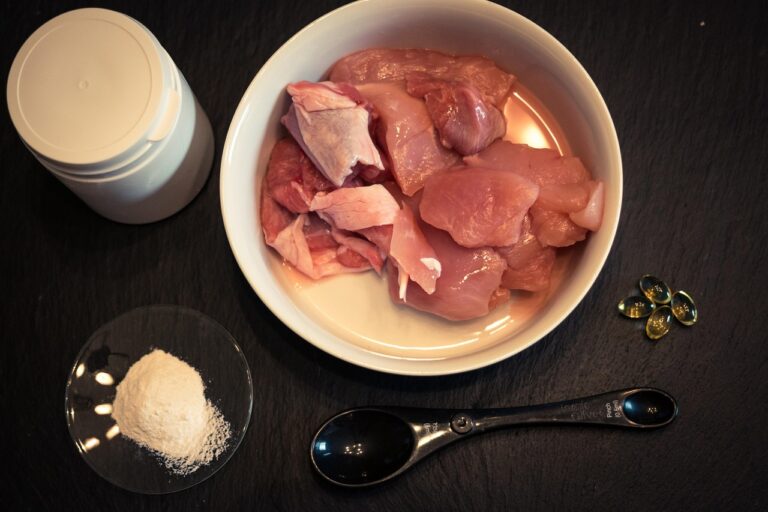
Featured image: Photo by spoba on Pixabay · Pixabay Content License