Miniature Schnauzers are known for their distinctive look, high energy levels, and friendly temperament. But behind that charming personality is a breed that has specific dietary needs due to its tendency for pancreatic issues, skin sensitivities, and weight management challenges. Choosing the right dog food can help keep your Miniature Schnauzer in optimal health, supporting their unique needs with balanced, high-quality nutrition.
🗝️ Key Takeaways: Quick Answers About Miniature Schnauzer Food Needs 🐕
- What’s the best protein level? 🥩 Moderate protein (22-28%) with lean meats.
- Are low-fat diets necessary? ⚖️ Yes, to support pancreatic health.
- What helps with skin sensitivities? 🌿 Omega fatty acids, biotin, and high-quality proteins.
- Should grains be avoided? 🌾 Not necessarily; whole grains can support steady energy.
- How should I manage portion sizes? 🕒 Feed 2-3 meals daily to avoid weight gain.
🥇 What Are the Top Dog Foods for Miniature Schnauzers?
These dog foods are selected based on their ingredient quality, support for sensitive digestion, balanced nutrients, and tailored needs for the Miniature Schnauzer’s active yet sensitive nature.
- Royal Canin Miniature Schnauzer Adult 🏆
- Key Features: Breed-specific, precise fat content, supports coat health.
- Why It’s Great: Formulated with reduced fat levels to support a healthy pancreas, this breed-specific food also includes amino acids for coat health.
- Ideal For: Adult Miniature Schnauzers needing balanced, breed-tailored nutrition.
- Wellness CORE Grain-Free Small Breed 🌿
- Key Features: High protein (32%), grain-free, rich in omega fatty acids.
- Why It’s Great: This high-protein formula includes omega-3s from flaxseed and salmon oil to promote skin and coat health, as well as joint support.
- Ideal For: Schnauzers needing grain-free options with protein variety.
- Hill’s Science Diet Adult Sensitive Stomach & Skin 🐶
- Key Features: Digestive support, high in vitamin E and omega-6.
- Why It’s Great: Made for dogs with sensitive stomachs and skin, this food helps alleviate itching and digestive discomfort.
- Ideal For: Schnauzers with skin allergies or digestive sensitivities.
- Blue Buffalo Life Protection Formula Small Breed 🐾
- Key Features: Deboned chicken, brown rice, antioxidant-rich LifeSource Bits.
- Why It’s Great: Features a balanced blend of nutrients, whole grains, and antioxidants that support the immune system.
- Ideal For: All-around nutrition for Miniature Schnauzers.
- Nutro Wholesome Essentials Small Breed Adult 🍠
- Key Features: Farm-raised chicken, brown rice, and sweet potatoes.
- Why It’s Great: This food supports digestive health, joint support, and weight management with high-quality proteins and whole grains.
- Ideal For: Dogs needing weight and digestive support.
- Royal Canin Mini Digestive Care 🌾
- Key Features: Enhanced digestibility, prebiotics, and tailored fat levels.
- Why It’s Great: Designed for sensitive stomachs, this formula reduces fat content and uses prebiotics to support digestive health.
- Ideal For: Schnauzers prone to stomach sensitivities or mild pancreatitis.
- Wellness Complete Health Small Breed 🥩
- Key Features: Balanced protein, whole grains, omega-rich.
- Why It’s Great: Includes high-quality proteins, whole grains, and antioxidants to support overall health and coat quality.
- Ideal For: Balanced nutrition that includes grains for stable energy.
- Canidae PURE Petite Small Breed 🐟
- Key Features: Limited ingredients, salmon-based, grain-free.
- Why It’s Great: With only 8 ingredients, this limited-ingredient diet is ideal for allergy-prone dogs, offering a simple yet nutritious diet.
- Ideal For: Schnauzers with food sensitivities or skin allergies.
- Merrick Lil’ Plates Grain-Free Small Breed 🍗
- Key Features: High protein (30%), glucosamine, and chondroitin.
- Why It’s Great: This grain-free formula supports muscle health and joint flexibility with added joint-supporting nutrients.
- Ideal For: Active Schnauzers needing high protein and joint care.
- Eukanuba Small Breed Adult 🐕
- Key Features: Chicken as the first ingredient, tailored fat content.
- Why It’s Great: Eukanuba focuses on lean protein and fat balance, supporting weight management and strong bones.
- Ideal For: Maintaining healthy weight and lean muscle.
| Dog Food | Protein Content | Key Benefits | 🐕 Ideal For |
|---|---|---|---|
| Royal Canin Miniature Schnauzer | 24% | Breed-specific, coat health support | Tailored to breed’s unique needs |
| Wellness CORE Grain-Free | 32% | High protein, omega-rich | Sensitive skin or grain-sensitive dogs |
| Hill’s Sensitive Stomach | 26% | Skin and digestive health | Dogs with allergies or digestive issues |
| Blue Buffalo Life Protection | 27% | Immune support, whole grains | Balanced diet for all life stages |
| Nutro Wholesome Essentials | 24% | Weight management, digestive support | Dogs needing weight control |
| Royal Canin Digestive Care | 23% | Reduced fat, prebiotics | Sensitive stomachs |
| Wellness Complete Health | 27% | Whole grains, balanced nutrients | Steady energy and coat health |
| Canidae PURE Petite | 30% | Limited ingredients, salmon-based | Allergy-prone dogs |
| Merrick Lil’ Plates | 30% | Joint support, high protein | Active and joint-sensitive dogs |
| Eukanuba Small Breed | 27% | Lean protein, weight control | Weight maintenance and muscle health |
These options prioritize digestive health, lean protein, and balanced nutrients tailored to Miniature Schnauzers’ specific dietary needs.
🐟 What Protein Sources Are Best for Miniature Schnauzers? Lean Proteins and Omega-3 Rich Fish!
Miniature Schnauzers benefit from lean, high-quality protein sources that support muscle health without overloading on fat, which is especially important for a breed prone to pancreatic issues.
- Lean Meats (Chicken, Turkey): These proteins provide essential amino acids for muscle development without excessive fat. Foods with chicken or turkey as the first ingredient, like Blue Buffalo Life Protection Small Breed, are excellent for Miniature Schnauzers.
- Fish Proteins: Salmon and other fatty fish offer omega-3 fatty acids, which support skin health, coat shine, and joint mobility. This is especially helpful for Schnauzers prone to dry or itchy skin. Canidae PURE Petite Salmon is a good choice for those seeking a fish-based diet.
- Eggs and Organ Meats: Occasionally found in high-end brands, these ingredients provide additional vitamins and minerals that support immune health and a healthy coat. Foods like Wellness Complete Health Small Breed include a mix of proteins to cover these bases.
- Limited Ingredient Diets: If your Schnauzer has a sensitive stomach, single-source or limited-ingredient diets can simplify digestion and reduce the risk of allergies.
| Best Protein Sources | Benefits for Miniature Schnauzers | 🥩 Pro Tip |
|---|---|---|
| Lean Meats (Chicken, Turkey) | Builds muscle without excess fat | Look for meats as the first ingredient 🐔 |
| Fish (Salmon) | Adds omega-3 for skin & joint health | Choose foods with salmon for added benefits 🐟 |
| Eggs & Organ Meats | Provides vitamins & minerals | Look for foods with whole proteins 🥚 |
| Limited Ingredients | Reduces risk of allergies | Ideal for dogs with sensitive stomachs 🍲 |
Selecting lean, nutrient-dense proteins ensures your Miniature Schnauzer stays strong, healthy, and free from unnecessary fats.
🦴 Do Miniature Schnauzers Need Low-Fat Food? Yes, to Support Pancreatic Health!
Low-fat diets are often recommended for Miniature Schnauzers, as they can be prone to pancreatitis and digestive sensitivities. Choosing foods with controlled fat content can prevent complications and support long-term health.
- Fat Content Below 15%: For Schnauzers with pancreatic concerns, keep fat levels around or below 15%. Foods like Royal Canin Miniature Schnauzer Adult are tailored to meet these needs, offering just enough fat to maintain energy without stressing the pancreas.
- Avoid Fatty Treats: Limit high-fat treats, such as cheese or sausage, as these can lead to digestive upset. Opt for low-calorie treats like apple slices, carrots, or green beans.
- Moderate-Fat Options for Active Dogs: If your Schnauzer is very active, moderate-fat foods can provide sustained energy. Look for formulas between 10-14% fat that balance energy with pancreatic health, such as Nutro Wholesome Essentials Small Breed.
- Omega-3 Fatty Acids for Essential Fats: To include healthy fats without overloading on fat content, omega-3s from sources like fish oil are ideal. These support joint health, skin moisture, and coat shine without causing digestive issues.
| Fat Management Tips | Benefits for Miniature Schnauzers | ⚖️ Pro Tip |
|---|---|---|
| Fat Below 15% | Supports pancreatic health, prevents issues | Look for low-fat options under 15% 📊 |
| Limit Fatty Treats | Reduces risk of digestive upset | Use low-calorie treats like carrots 🥕 |
| Moderate Fat for Active Dogs | Provides balanced energy without overload | Select foods with 10-14% fat 🏃♂️ |
| Omega-3s | Adds essential fats for skin & coat | Opt for fish oil as a safe fat source 🐟 |
Balancing fat content in your Miniature Schnauzer’s diet supports digestive health and helps avoid pancreatic complications.
🌀 How Should I Transition My Miniature Schnauzer to New Food? Slow Transition Over 7-10 Days!
Switching food too quickly can cause digestive issues for Miniature Schnauzers, especially since they can be prone to sensitive stomachs. Here’s a step-by-step guide for a smooth transition:
- Days 1-3: Mix 25% of the new food with 75% of the current food. This initial phase helps your Schnauzer’s digestive system adapt to new ingredients gradually.
- Days 4-6: Increase to a 50/50 mix of new and old food. Monitor for any signs of digestive discomfort, such as loose stool or decreased appetite.
- Days 7-9: Mix 75% new food with 25% of the current food, allowing more of the new ingredients to take effect.
- Day 10: Serve 100% of the new food. At this point, your Schnauzer should have fully adapted to the new diet without any upset.
| Transition Phase | Food Ratio | 🌀 Pro Tip |
|---|---|---|
| Days 1-3 | 25% new, 75% current | Watch for digestive changes 💩 |
| Days 4-6 | 50% new, 50% current | Increase new food gradually 🩺 |
| Days 7-9 | 75% new, 25% current | Monitor stool and energy levels 👀 |
| Day 10 | 100% new food | Ensure complete transition without issues ✅ |
A gradual transition minimizes digestive upset, ensuring your Schnauzer comfortably adjusts to their new, balanced diet.
🌾 Should Miniature Schnauzers Avoid Grains? Whole Grains Can Be Beneficial!
While grain-free diets are popular, Miniature Schnauzers can benefit from whole grains, which offer sustained energy and digestive support:
- Whole Grains (Brown Rice, Oats): These grains provide fiber, supporting healthy digestion and helping regulate blood sugar. Foods like Blue Buffalo Life Protection Small Breed include whole grains that are gentle on the stomach.
- Grain-Free for Allergies: If your Schnauzer shows signs of grain allergies, such as itching or digestive upset, grain-free options can help. Canidae PURE Petite Small Breed offers a grain-free formula for Schnauzers with sensitivities.
- Avoid Low-Quality Grains: Corn, soy, and wheat gluten can be harder to digest and may trigger allergies. Stick to high-quality, whole grains or choose grain-free options if your Schnauzer is sensitive.
| Grain Considerations | Benefits for Miniature Schnauzers | 🌾 Pro Tip |
|---|---|---|
| Whole Grains | Provides fiber and steady energy | Brown rice and oats are ideal grains 🌱 |
| Grain-Free for Allergies | Reduces risk of itching and upset | Try grain-free if symptoms are present 🚫 |
| Avoid Low-Quality Grains | Prevents digestive issues | Look for high-quality or whole grains 📜 |
Choosing the right grains, or opting for grain-free, depends on your Schnauzer’s individual sensitivity and energy needs.
🌟 Quick Recap: Why Choose the Right Food for Your Miniature Schnauzer?
- Moderate Protein and Lean Meats: 🥩 Essential for muscle without excess fat.
- Low-Fat for Pancreatic Health: ⚖️ Maintains digestive comfort and reduces risk of pancreatitis.
- Supports Skin and Coat: 🌿 Omega-3s and antioxidants for healthy skin and shiny coat.
- Gradual Food Transition: 🌀 Change food slowly over 7-10 days for digestive ease.
- Whole Grains or Grain-Free: 🌾 Choose based on sensitivity; whole grains support energy.
Selecting the right food ensures your Miniature Schnauzer thrives with balanced nutrition, avoiding common health concerns while keeping them active and happy. Each of these top choices meets the specific dietary needs of this unique breed, helping them live their best, healthiest life.
FAQs
🗨️ Comment: “How Can I Manage My Miniature Schnauzer’s Weight Effectively?”
Maintaining a healthy weight is crucial for Miniature Schnauzers, as they are prone to weight gain and pancreatitis. Here are strategies to keep your Schnauzer fit and healthy:
- Portion Control: Measure your dog’s food using a digital kitchen scale or measuring cup to ensure accurate portions. Follow the feeding guidelines on the dog food packaging, adjusting based on your Schnauzer’s age, activity level, and metabolism.
- Scheduled Feeding Times: Instead of free-feeding, provide 2-3 small meals per day. This helps regulate blood sugar levels and prevents overeating, which is especially important for a breed susceptible to weight gain.
- Low-Calorie Treats: Treats should make up no more than 10% of daily caloric intake. Opt for healthy, low-calorie options like carrot sticks, apple slices (without seeds), or small pieces of cooked lean meat.
- Regular Exercise: Engage your Schnauzer in daily walks, play sessions, or agility training to burn calories and keep muscles toned. Physical activity is essential for weight management and overall health.
- Monitor Body Condition: Regularly assess your dog’s body condition score. You should be able to feel the ribs without excessive fat coverage and see a visible waistline from above.
| Weight Management Strategies | Benefits for Miniature Schnauzers | ⚖️ Pro Tip |
|---|---|---|
| Portion Control | Prevents overeating and weight gain | Use a measuring cup for accuracy 📏 |
| Scheduled Feeding Times | Regulates appetite and metabolism | Feed at the same times each day 🕒 |
| Low-Calorie Treats | Reduces excess calorie intake | Limit treats to training sessions 🎾 |
| Regular Exercise | Promotes calorie burn and muscle tone | Aim for at least 30 minutes daily 🐕🦺 |
| Monitor Body Condition | Detects weight changes early | Keep a weight log to track progress 📊 |
By implementing these practices, you’ll help your Miniature Schnauzer maintain a healthy weight, reducing the risk of obesity-related health issues.
🗨️ Comment: “What Can I Do to Support My Miniature Schnauzer’s Skin and Coat Health?”
Miniature Schnauzers are known for their distinctive double coat, which requires specific nutrients to stay healthy and vibrant. Here’s how to support your dog’s skin and coat through diet:
- Omega-3 and Omega-6 Fatty Acids: Essential fatty acids help reduce inflammation, nourish the skin, and promote a shiny coat. Look for foods containing fish oil, flaxseed, or chicken fat. Products like Wellness CORE Grain-Free Small Breed are rich in these nutrients.
- Biotin and Zinc: These nutrients are vital for skin health and fur strength. Biotin supports keratin production, while zinc aids in skin repair. Ensure your dog’s food includes these vitamins or consider a supplement after consulting your vet.
- High-Quality Proteins: Protein is the building block of hair and skin cells. Opt for foods with real meat as the first ingredient, such as deboned chicken or salmon. This provides essential amino acids for coat maintenance.
- Antioxidants: Ingredients like blueberries, spinach, and sweet potatoes are rich in antioxidants, which protect skin cells from damage and support overall health.
- Hydration: Adequate water intake is crucial. Wet food or adding water to dry kibble can improve hydration, benefiting the skin and coat.
| Skin and Coat Care Tips | Benefits for Miniature Schnauzers | 🐩 Pro Tip |
|---|---|---|
| Omega Fatty Acids | Reduces itching and dryness | Look for foods with fish oil 🐟 |
| Biotin and Zinc | Strengthens hair and supports skin health | Check for these in ingredient list 💊 |
| High-Quality Proteins | Provides essential amino acids | Ensure meat is the first ingredient 🥩 |
| Antioxidants | Protects skin cells from damage | Choose foods with fruits and veggies 🍓 |
| Hydration | Maintains skin elasticity | Encourage regular water intake 💧 |
Incorporating these elements into your Schnauzer’s diet will help maintain a healthy skin and a lustrous coat, keeping your dog looking and feeling their best.
🗨️ Comment: “How Can I Prevent Pancreatitis in My Miniature Schnauzer Through Diet?”
Pancreatitis is a common concern in Miniature Schnauzers due to their sensitivity to high-fat diets. Here are dietary measures to help prevent this condition:
- Low-Fat Diet: Choose dog foods with reduced fat content, ideally below 10% fat on a dry matter basis. Brands like Royal Canin Miniature Schnauzer Adult are specifically formulated with lower fat levels.
- Avoid Table Scraps: Human foods, especially fatty leftovers like bacon or sausage, can trigger pancreatitis. Keep your Schnauzer away from table scraps to avoid accidental high-fat intake.
- Regular Feeding Schedule: Consistency helps maintain steady digestion. Feed smaller, frequent meals to prevent overloading the pancreas.
- Monitor Treats: Even small treats can be high in fat. Opt for low-fat, natural treats and always check the fat content before giving them to your dog.
- Consult Your Veterinarian: Regular check-ups can help detect early signs of pancreatitis. Your vet may recommend a prescription low-fat diet if your Schnauzer is at high risk.
| Pancreatitis Prevention Tips | Benefits for Miniature Schnauzers | 🚫 Pro Tip |
|---|---|---|
| Low-Fat Diet | Reduces strain on the pancreas | Choose foods with less than 10% fat 📉 |
| Avoid Table Scraps | Prevents accidental high-fat intake | Keep human food out of reach 🚫 |
| Regular Feeding Schedule | Aids in consistent digestion | Feed 2-3 times daily 🕒 |
| Monitor Treats | Avoids hidden fats | Use vet-approved low-fat treats 🍏 |
| Veterinary Consultation | Provides personalized dietary advice | Schedule regular health check-ups 🩺 |
By carefully managing your Schnauzer’s diet, you can significantly reduce the risk of pancreatitis and promote a healthy, active lifestyle.
🗨️ Comment: “Are There Specific Ingredients I Should Avoid for My Miniature Schnauzer?”
Yes, certain ingredients can negatively impact your Miniature Schnauzer’s health, especially considering their predisposition to allergies and pancreatitis:
- Artificial Additives: Colors, flavors, and preservatives like BHA, BHT, and ethoxyquin can cause allergic reactions and should be avoided. Opt for foods with natural preservatives like vitamin E (mixed tocopherols).
- High-Fat Ingredients: Ingredients like tallow, lard, and excessive animal fats can increase the risk of pancreatitis. Read labels carefully to ensure fat sources are healthy and in appropriate amounts.
- Common Allergens: Some Schnauzers may be sensitive to corn, wheat, soy, and dairy products. If your dog shows signs of allergies, consider a grain-free or limited-ingredient diet.
- By-Products and Fillers: Low-quality fillers and unnamed meat by-products offer little nutritional value and may be harder to digest. Choose foods that specify real meat sources.
- Excessive Sodium: High salt levels can lead to health issues like hypertension. Select dog foods with balanced sodium content.
| Ingredients to Avoid | Potential Risks | ❌ Pro Tip |
|---|---|---|
| Artificial Additives | Can trigger allergies and sensitivities | Choose naturally preserved foods 🌿 |
| High-Fat Ingredients | Increase pancreatitis risk | Opt for lean protein sources 🐔 |
| Common Allergens | May cause itching and digestive issues | Consider grain-free or limited-ingredient diets 🚫 |
| By-Products and Fillers | Provide low nutritional value | Look for foods with named meat ingredients 🥩 |
| Excessive Sodium | Can contribute to hypertension | Select foods with normal sodium levels 🧂 |
By avoiding these ingredients, you can help ensure your Miniature Schnauzer’s diet supports their health and longevity.
🗨️ Comment: “How Can I Support My Miniature Schnauzer’s Digestive Health?”
Digestive health is crucial for Miniature Schnauzers, who can be prone to sensitive stomachs. Here’s how to promote good digestion through diet:
- Probiotics and Prebiotics: These support a healthy gut microbiome. Probiotics introduce beneficial bacteria, while prebiotics feed them. Look for foods containing live cultures like Lactobacillus acidophilus.
- Dietary Fiber: Ingredients like brown rice, oatmeal, and sweet potatoes provide soluble fiber, which aids digestion and promotes regular bowel movements.
- Easily Digestible Ingredients: Choose foods with simple carbohydrates and high-quality proteins that are easy on the stomach. Avoid foods with complex fillers and artificial additives.
- Limited Ingredient Diets: If your Schnauzer has food sensitivities, a limited ingredient diet can reduce the risk of digestive upset by minimizing potential allergens.
- Consistent Feeding Schedule: Regular meal times help regulate digestion and prevent gastrointestinal issues.
| Digestive Health Strategies | Benefits for Miniature Schnauzers | 🥣 Pro Tip |
|---|---|---|
| Probiotics and Prebiotics | Enhances gut flora and digestion | Look for foods with added probiotics 🦠 |
| Dietary Fiber | Promotes regular bowel movements | Include foods with sweet potatoes 🍠 |
| Easily Digestible Ingredients | Reduces stomach strain | Opt for simple, natural ingredients 🌱 |
| Limited Ingredient Diets | Minimizes potential allergens | Ideal for sensitive stomachs 🍲 |
| Consistent Feeding Schedule | Regulates digestion | Feed at the same times each day 🕒 |
Supporting your dog’s digestive health will lead to better nutrient absorption, more energy, and overall well-being.
🗨️ Comment: “Can I Feed My Miniature Schnauzer a Raw Diet?”
Feeding a raw diet is a decision that requires careful consideration, especially for a breed like the Miniature Schnauzer:
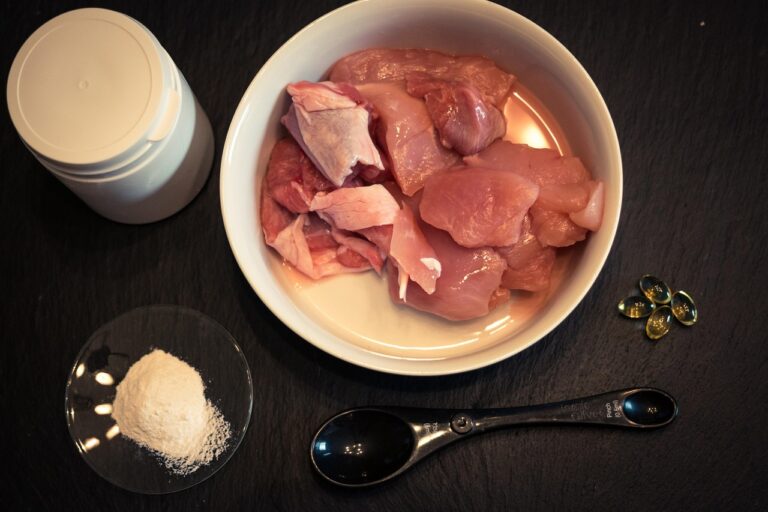
- Nutritional Balance: Raw diets must be meticulously planned to ensure they meet all of your Schnauzer’s nutritional needs, including the right balance of proteins, fats, vitamins, and minerals.
- Pancreatic Concerns: Given their susceptibility to pancreatitis, a raw diet high in fat could pose a risk. It’s essential to choose lean meats and control fat content strictly.
- Food Safety: Raw meats can carry bacteria like Salmonella and E. coli, which can be harmful to both your dog and your household. Proper handling and sourcing from reputable suppliers are critical.
- Veterinary Guidance: Consult with your veterinarian or a canine nutritionist before switching to a raw diet to ensure it’s appropriate for your Schnauzer’s health status and dietary needs.
- Commercial Raw Options: If you prefer raw feeding, consider commercially prepared raw diets that are formulated to be complete and balanced, reducing the risk of nutritional deficiencies.
| Raw Diet Considerations | Benefits and Risks | 🍖 Pro Tip |
|---|---|---|
| Nutritional Balance | Ensures all dietary needs are met | Work with a canine nutritionist 📚 |
| Pancreatic Concerns | Controls fat intake to prevent issues | Choose lean meats and monitor fat levels ⚖️ |
| Food Safety | Reduces risk of bacterial contamination | Practice strict hygiene and safe handling 🧼 |
| Veterinary Guidance | Provides expert advice tailored to your dog | Schedule a consultation with your vet 🩺 |
| Commercial Raw Options | Offers convenience and nutritional assurance | Select AAFCO-approved raw diets 🏷️ |
While a raw diet can be beneficial for some dogs, it’s important to approach it cautiously with a Miniature Schnauzer due to their specific health considerations.
🗨️ Comment: “How Can I Keep My Miniature Schnauzer Mentally Stimulated Alongside a Healthy Diet?”
Mental stimulation is as important as a balanced diet for the overall health of your Miniature Schnauzer:
- Interactive Feeding Toys: Use puzzle feeders or treat-dispensing toys that require your dog to work for their food. This engages their mind and slows down eating, which can aid digestion.
- Training Sessions: Incorporate obedience training or teaching new tricks into daily routines. Use kibble or healthy treats as rewards, reinforcing good behavior while providing mental exercise.
- Variety in Treats: Offer different types of healthy treats in moderation to keep things interesting. This can include freeze-dried meats, dental chews, or specially formulated snacks for small breeds.
- Social Interaction: Arrange playdates with other dogs or spend time in dog parks to enhance social skills and mental engagement.
- Scent Games: Hide treats around the house or yard and encourage your Schnauzer to use their nose to find them, tapping into their natural instincts.
| Mental Stimulation Activities | Benefits for Miniature Schnauzers | 🧠 Pro Tip |
|---|---|---|
| Interactive Feeding Toys | Encourages problem-solving skills | Rotate toys to keep them novel 🎲 |
| Training Sessions | Strengthens obedience and focus | Keep sessions short and positive 🎓 |
| Variety in Treats | Prevents boredom and enhances enjoyment | Use treats as part of daily calorie intake 🍖 |
| Social Interaction | Improves social skills and reduces anxiety | Supervise interactions for safety 🐾 |
| Scent Games | Stimulates natural hunting instincts | Change hiding spots to challenge them 👃 |
Combining a nutritious diet with mental enrichment activities contributes to a happy, healthy, and well-rounded Miniature Schnauzer.
🗨️ Comment: “How Do I Transition My Miniature Schnauzer from Puppy Food to Adult Food?”
Transitioning a Miniature Schnauzer from puppy to adult food is a key stage in their development, ensuring their nutritional needs are met as they grow. Here’s how to make the process smooth and effective:
- Timing the Transition: Miniature Schnauzers typically transition to adult food around 10-12 months of age. Since they’re a small breed, they reach maturity earlier than larger breeds. Waiting too long to switch could lead to unnecessary weight gain, as puppy food is often higher in calories.
- Gradual Changeover: To avoid digestive upset, introduce the new adult food slowly. Begin by mixing 25% of the adult food with 75% of the puppy food for the first 3 days. Over the next few days, adjust to a 50/50 ratio, then 75% adult food, and finally, by around day 10, serve 100% adult food.
- Portion Adjustment: Adult food is typically less calorie-dense than puppy food, so you might need to slightly increase the portion size. Follow the feeding guidelines on the packaging, but monitor your Schnauzer’s body condition and adjust as necessary.
- Observe for Changes: Watch for signs of adjustment issues, such as loose stools, decreased appetite, or lethargy. These can indicate that your Schnauzer is struggling with the change and may need a slower transition or a different formula.
- Choose a Quality Adult Formula: Look for foods with high-quality protein, moderate fat, and low fillers. Miniature Schnauzers benefit from adult foods that focus on lean proteins, balanced fat, and added joint and skin support, such as Hill’s Science Diet Adult Small Paws or Royal Canin Miniature Schnauzer Adult.
| Transition Stage | Food Ratio | 🌀 Pro Tip |
|---|---|---|
| Days 1-3 | 25% adult, 75% puppy | Observe stool consistency for any issues 💩 |
| Days 4-6 | 50% adult, 50% puppy | Mix thoroughly to blend flavors 🥣 |
| Days 7-9 | 75% adult, 25% puppy | Gradually increase adult food proportion 🌱 |
| Day 10 | 100% adult food | Monitor appetite and energy levels 🐕 |
A gradual approach ensures a smooth digestive adjustment and keeps your Miniature Schnauzer comfortable throughout the transition.
🗨️ Comment: “How Can I Improve My Miniature Schnauzer’s Dental Health with Diet?”
Miniature Schnauzers are prone to dental issues like plaque build-up and gum disease, making oral health a top priority. Here’s how to support their dental health through diet:
- Dry Kibble Texture: Feeding dry kibble helps scrape away plaque as your Schnauzer chews. Look for foods specifically designed for small breeds, with kibble sized for their small mouths. The crunchy texture acts as a natural abrasive, aiding in plaque control.
- Dental Chews: Providing dental treats, like Greenies or dental sticks, encourages chewing and can reduce tartar. Just make sure these treats are low in calories and suitable for daily use.
- Specialized Dental Formulas: Some dog foods, like Hill’s Science Diet Oral Care or Royal Canin Dental, contain ingredients designed to minimize plaque and support fresh breath. These formulas are great for Schnauzers prone to dental challenges.
- Avoid Sticky or Sugary Foods: Foods with sugars or sticky textures can increase plaque and promote bacterial growth. Avoid sugary treats and opt for natural chews instead, such as dehydrated sweet potatoes or carrots.
- Regular Teeth Brushing: While not a food-related tip, brushing your Schnauzer’s teeth regularly with dog-safe toothpaste significantly reduces plaque buildup and supports overall dental health.
| Dental Health Strategies | Benefits for Miniature Schnauzers | 🦷 Pro Tip |
|---|---|---|
| Dry Kibble Texture | Helps scrape plaque from teeth | Choose small-breed kibble for better fit 🍽️ |
| Dental Chews | Reduces tartar, promotes chewing | Select low-calorie options for daily use 🦴 |
| Specialized Dental Formulas | Minimizes plaque build-up and freshens breath | Ideal for dogs with dental sensitivity 🦷 |
| Avoid Sticky Foods | Prevents plaque and bacterial growth | Opt for crunchy treats instead of sticky 🍏 |
| Regular Teeth Brushing | Reduces plaque & prevents gum disease | Brush with pet-safe toothpaste weekly 🪥 |
Combining these practices with a dental-friendly diet helps keep your Miniature Schnauzer’s mouth healthy and fresh, reducing the need for dental cleanings and supporting overall well-being.
🗨️ Comment: “How Can I Address Food Allergies in My Miniature Schnauzer?”
Food allergies are not uncommon in Miniature Schnauzers and can manifest as itching, digestive upset, or ear infections. Here’s how to identify and manage food allergies effectively:
- Identify Common Allergens: The most common allergens in dogs include beef, dairy, wheat, chicken, and soy. If your Schnauzer is experiencing symptoms, it may be time to switch to a diet that avoids these ingredients.
- Choose Limited-Ingredient Diets: Limited-ingredient foods contain fewer components, making it easier to isolate potential allergens. Options like Canidae PURE Petite Grain-Free focus on single-source proteins and minimal ingredients, reducing the risk of reactions.
- Novel Proteins for Sensitivity: Consider using novel protein sources like duck, salmon, or venison if your dog is reacting to traditional proteins. Novel proteins are less likely to trigger allergies, as they are often new to the dog’s system.
- Monitor Symptoms During Switch: When changing your Schnauzer’s food, allow 4-6 weeks to observe any improvements in symptoms. If allergies are food-related, you should notice less itching, healthier skin, and better digestion.
- Seek Veterinary Advice: Food allergies can sometimes mimic other health conditions. Consulting with a veterinarian helps confirm whether symptoms are due to food and offers guidance on selecting the right hypoallergenic diet.
| Allergy Management Tips | Benefits for Miniature Schnauzers | 🐾 Pro Tip |
|---|---|---|
| Identify Common Allergens | Reduces exposure to common triggers | Watch for signs like itching or ear infections 👂 |
| Limited-Ingredient Diets | Helps isolate allergens | Ideal for sensitive stomachs and allergies 🍲 |
| Novel Proteins | Reduces allergy risk with unique proteins | Try proteins like duck or salmon 🐟 |
| Monitor Symptoms | Confirms effectiveness of new diet | Allow 4-6 weeks to assess changes 📅 |
| Veterinary Guidance | Ensures correct diagnosis and treatment | Schedule allergy testing if needed 🩺 |
Addressing food allergies through a careful dietary approach can significantly improve your Miniature Schnauzer’s quality of life, reducing discomfort and promoting overall health.
🗨️ Comment: “What Can I Feed My Miniature Schnauzer to Prevent Weight Gain?”
Miniature Schnauzers are at risk for weight gain and obesity, which can lead to joint issues, diabetes, and other health problems. Here’s how to manage their weight with the right food choices:
- Low-Calorie Foods: Look for dog foods with a low calorie-per-cup ratio, specifically designed for weight management. Foods like Royal Canin Mini Weight Care are crafted to help small dogs maintain a healthy weight without sacrificing nutrition.
- High Fiber Content: Fiber aids in digestion and helps your Schnauzer feel full longer. Ingredients like sweet potatoes, brown rice, and peas are excellent sources of fiber that promote satiety and prevent overeating.
- Lean Proteins: Protein is essential for muscle maintenance, but it’s important to choose lean sources to avoid excess fat. Chicken, turkey, and white fish are ideal for providing necessary protein without adding extra calories.
- Scheduled Feeding: Maintain a consistent feeding schedule with measured portions to avoid overfeeding. Feeding twice daily helps regulate metabolism and controls hunger, especially in breeds prone to weight gain.
- Limit Treats: Treats can add extra calories quickly, so be mindful of portion size and frequency. Use low-calorie, nutrient-rich treats like baby carrots, apple slices, or lean, high-quality dog treats to minimize added calories.
| Weight Management Strategies | Benefits for Miniature Schnauzers | ⚖️ Pro Tip |
|---|---|---|
| Low-Calorie Foods | Supports weight loss & healthy weight | Look for foods labeled “weight management” 🏷️ |
| High Fiber Content | Increases fullness & prevents overeating | Choose foods with sweet potatoes or brown rice 🍠 |
| Lean Proteins | Maintains muscle without excess fat | Opt for chicken, turkey, or white fish 🐔 |
| Scheduled Feeding | Controls calorie intake | Stick to two meals per day at set times ⏰ |
| Limit Treats | Reduces risk of extra calorie intake | Use veggies as treats or measure portions 🥕 |
Adopting these feeding habits helps your Miniature Schnauzer maintain a healthy weight, reducing the risk of weight-related health complications.
🗨️ Comment: “How Can I Keep My Miniature Schnauzer Hydrated, Especially When Feeding Dry Kibble?”
Hydration is crucial for Miniature Schnauzers, as dry kibble alone may not provide sufficient water intake. Here’s how to ensure your dog stays well-hydrated:
- Fresh Water Availability: Always provide access to fresh, clean water. Change the water at least twice daily to keep it appealing. Use a water fountain if your Schnauzer is picky about drinking, as running water often encourages dogs to drink more.
- Add Moisture to Kibble: Mixing a little warm water or low-sodium chicken broth with kibble can increase moisture content, making the meal more hydrating and appealing. This is especially helpful in warmer months or if your dog is reluctant to drink.
- Incorporate Wet Food: Adding a portion of wet food to your Schnauzer’s diet can significantly boost hydration. Wet food has a higher water content than kibble, helping keep your dog’s hydration levels balanced, especially during active days.
- Use Water-Rich Treats: Fresh fruits and vegetables like cucumber slices, watermelon pieces (without seeds), and apples are great low-calorie, water-rich treats. They provide a refreshing snack while adding hydration.
- Monitor for Signs of Dehydration: Look for signs such as dry gums, lethargy, and reduced skin elasticity. If you notice these symptoms, encourage drinking and consider consulting a vet.
| Hydration Tips | Benefits for Miniature Schnauzers | 💧 Pro Tip |
|---|---|---|
| Fresh Water Availability | Ensures regular hydration | Change water daily for freshness 🌊 |
| Add Moisture to Kibble | Increases hydration through food | Mix with warm water or low-sodium broth 🍲 |
| Incorporate Wet Food | Provides added water intake | Rotate wet food in meals, especially in summer 🥫 |
| Water-Rich Treats | Adds water through snacks | Offer cucumber or watermelon slices 🍉 |
| Monitor for Dehydration | Detects early signs of dehydration | Check gums and skin regularly 🩺 |
Implementing these hydration strategies ensures your Miniature Schnauzer stays healthy and well-hydrated, supporting their energy, digestion, and overall wellness.
🗨️ Comment: “What Ingredients Should I Look for in a Senior Diet for My Miniature Schnauzer?”
As Miniature Schnauzers age, their dietary needs evolve. Here are the most beneficial ingredients to look for in a senior diet:
- Glucosamine and Chondroitin: These joint-supporting nutrients help maintain mobility and reduce joint pain, which is common as Schnauzers age. Look for foods like Hill’s Science Diet Senior Vitality that include these key ingredients.
- High-Quality Protein: While seniors may be less active, they still need protein to maintain muscle mass. Lean proteins like chicken or fish provide essential amino acids without excessive fat.
- Antioxidants for Immune Health: Aging dogs benefit from antioxidants like vitamin E, vitamin C, and beta-carotene to combat oxidative stress and support a strong immune system.
- Omega-3 Fatty Acids: Essential for joint health, brain function, and skin health, omega-3s from sources like fish oil or flaxseed are particularly helpful in a senior diet to reduce inflammation.
- Digestive Support: Aging Schnauzers may experience sensitive digestion, so look for foods with prebiotics and fiber from sources like sweet potatoes and pumpkin to keep the digestive system running smoothly.
| Senior Diet Ingredients | Benefits for Aging Miniature Schnauzers | 🧓 Pro Tip |
|---|---|---|
| Glucosamine & Chondroitin | Supports joint mobility and reduces pain | Choose foods labeled for senior dogs 🦴 |
| High-Quality Protein | Maintains muscle without excess fat | Look for chicken or fish as the first ingredient 🐔 |
| Antioxidants | Strengthens immune system | Foods with added vitamins C & E are ideal 🍊 |
| Omega-3 Fatty Acids | Reduces inflammation, supports brain health | Fish oil supplements can add omega-3s 🐟 |
| Digestive Support | Aids in smooth digestion | Look for fiber-rich foods like pumpkin 🎃 |
By focusing on these senior-friendly ingredients, you’ll help your aging Miniature Schnauzer stay active, comfortable, and healthy well into their golden years.