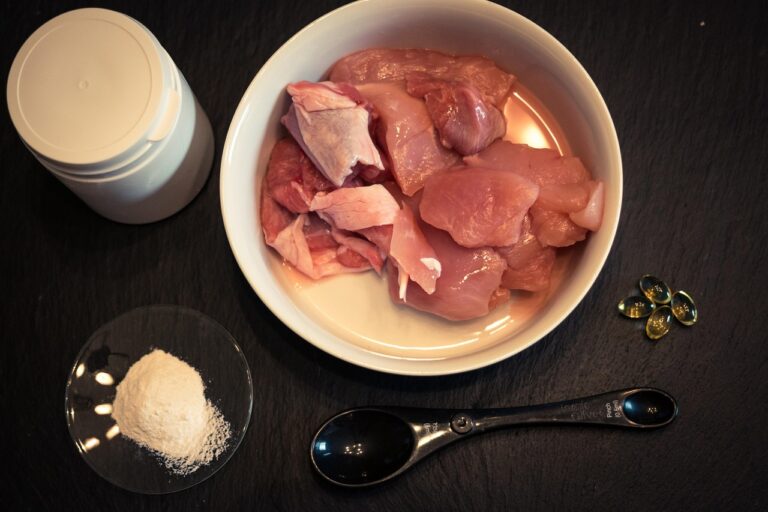
Feeding dogs a raw diet, including raw chicken breast, is a growing trend among pet owners aiming for a more natural, species-appropriate approach to canine nutrition. However, before serving raw chicken to your dog, it’s essential to weigh the benefits and risks to ensure your pet’s safety and health.
Key Takeaways: Quick Answers About Feeding Raw Chicken Breast to Dogs
- Is it safe for dogs to eat raw chicken breast? ✅ Yes, but with potential risks of bacteria like Salmonella.
- What are the benefits of raw chicken? 🥩 It provides lean protein and amino acids for muscle growth.
- What are the risks of feeding raw chicken? ⚠️ Bacterial contamination, choking hazards, and nutritional imbalances.
- How to safely feed raw chicken breast? 🧊 Use fresh, high-quality chicken and store properly to minimize risks.
- Can puppies eat raw chicken? 🐾 Yes, but with extra caution regarding portion size and hygiene.
✅ Is It Safe for Dogs to Eat Raw Chicken Breast?
Yes, dogs can eat raw chicken breast, but safety depends on careful preparation and storage:
- Digestive Adaptation: Dogs have shorter digestive tracts and stronger stomach acids than humans, which helps them digest raw meats and reduce the risk of bacterial infection. However, they are not entirely immune to pathogens like Salmonella or Campylobacter, which can be present in raw chicken.
- Freshness Matters: The fresher the chicken, the lower the risk of contamination. Choose high-quality, human-grade chicken from reliable sources and handle it with care to minimize bacterial risks.
- Not Suitable for All Dogs: Dogs with weakened immune systems, seniors, or dogs recovering from illness might be more susceptible to foodborne pathogens. For these dogs, cooking the chicken might be a safer option.
| Safety Factor | What It Means | 💡 Feeding Tip |
|---|---|---|
| Digestive adaptation | Stronger stomach acid, shorter tract | Introduce raw gradually 🥄 |
| Freshness | Reduces contamination risk | Use human-grade, fresh chicken 🛒 |
| Immune system strength | Influences safety of raw feeding | Consider cooked chicken for weaker dogs 🩺 |
🥩 What Are the Benefits of Feeding Dogs Raw Chicken Breast?
Raw chicken breast provides several nutritional advantages for dogs:
- Lean Protein: Chicken breast is a great source of lean protein, which supports muscle development, repair, and overall growth in dogs. It’s especially beneficial for active dogs or those recovering from injury.
- Amino Acids: Chicken contains essential amino acids that aid in muscle maintenance and tissue regeneration. These amino acids play a role in keeping a dog’s coat shiny, skin healthy, and immune system strong.
- Moisture Content: Raw chicken breast has a higher moisture content than kibble, which helps keep dogs hydrated. This is particularly helpful for dogs that don’t drink enough water.
| Nutritional Benefit | How It Helps Dogs | 💡 Why It’s Good |
|---|---|---|
| Lean protein | Supports muscle growth | Great for active or recovering dogs 🐾 |
| Essential amino acids | Maintains coat, skin, and health | Contributes to overall well-being 🌟 |
| High moisture content | Enhances hydration | Ideal for dogs that drink less water 💧 |
⚠️ What Are the Risks of Feeding Raw Chicken Breast?
Despite its benefits, raw chicken breast comes with potential risks:
- Bacterial Contamination: Raw chicken is prone to bacteria like Salmonella and Campylobacter, which can cause gastrointestinal upset or even more serious health issues, especially in dogs with weaker immune systems.
- Choking Hazard: Chicken breasts can have small bones or fragments that may pose a choking hazard. Always check for and remove bone splinters before serving.
- Nutritional Imbalance: Feeding only raw chicken breast can lead to a lack of essential nutrients, such as calcium, fiber, and certain vitamins. It’s important to combine it with other foods or supplements to ensure a balanced diet.
| Potential Risk | Why It’s a Concern | 💡 How to Minimize Risk |
|---|---|---|
| Bacterial contamination | Risk of Salmonella or Campylobacter | Use fresh chicken, store properly 🧊 |
| Choking hazard | Bone splinters in breast | Remove bones, cut into small pieces 🔪 |
| Nutritional imbalance | Lack of nutrients | Add vegetables, supplements for balance 🥦 |
🧊 How to Safely Feed Dogs Raw Chicken Breast?
If you decide to feed raw chicken breast to your dog, safety and hygiene should be your top priorities:
- Storage: Keep raw chicken at or below 40°F (4°C) to prevent bacterial growth. Use within 1-2 days of purchase or freeze it to maintain freshness.
- Hygiene: Wash your hands, cutting boards, and utensils thoroughly after handling raw chicken to avoid cross-contamination.
- Portion Size: Introduce small portions of raw chicken breast gradually to observe how your dog’s digestive system reacts. Start with bite-sized pieces for easier digestion and reduced choking risk.
| Safety Tip | How It Helps | 💡 Best Practice |
|---|---|---|
| Proper storage | Prevents bacterial growth | Store at 40°F or below, use promptly ❄️ |
| Good hygiene | Avoids cross-contamination | Wash hands and utensils thoroughly 🧽 |
| Gradual introduction | Monitors dog’s reaction | Start with small portions, observe 🐕 |
🐾 Can Puppies Eat Raw Chicken Breast?
Yes, puppies can eat raw chicken breast, but with extra caution:
- Start Slow: Introduce raw chicken to puppies gradually, as their digestive systems are still developing. Use small, bite-sized pieces and monitor for any signs of digestive upset.
- Balanced Diet: Puppies require a higher intake of calcium, fats, and other nutrients to support growth. Raw chicken breast alone isn’t enough—make sure it’s part of a diet that includes other sources of nutrients, such as organ meats, bones, vegetables, and supplements.
- Hygiene is Critical: Puppies are more susceptible to bacterial infections, so maintaining strict hygiene is crucial when feeding them raw chicken.
| Puppy Feeding Tip | Why It’s Important | 💡 How to Implement |
|---|---|---|
| Introduce slowly | Monitors for digestive upset | Use bite-sized pieces, watch reactions 🐶 |
| Balanced nutrition | Supports growth and health | Add organ meats, bones, and veggies 🥕 |
| Strict hygiene | Prevents infections | Clean hands, utensils, and bowls thoroughly 🧼 |
🗝️ Final Recap: Can Dogs Eat Raw Chicken Breast?
Feeding raw chicken breast to dogs can be beneficial when done properly, but it’s essential to be aware of the risks and safety measures involved. While raw chicken provides lean protein and amino acids that support muscle growth and coat health, potential hazards like bacterial contamination and nutritional imbalance must be considered. Always use fresh, high-quality chicken and maintain excellent hygiene to protect your dog’s health.
Quick Recap: Raw Chicken Breast for Dogs
- Is it safe? ✅ Yes, but beware of bacteria.
- Benefits? 🥩 High protein and hydration.
- Risks? ⚠️ Bacteria, choking, and imbalances.
- Safe feeding? 🧊 Store properly, introduce gradually.
- Puppies? 🐾 Yes, but with careful balance and hygiene.
Feeding raw chicken breast requires a responsible approach that includes regular veterinary consultations to ensure it aligns with your dog’s dietary needs. Always prioritize safety and nutritional balance to provide the best health benefits for your furry friend. 🐾🍗
Comment 1: “What are the signs that my dog isn’t tolerating raw chicken well?”
If your dog isn’t handling raw chicken well, you’ll likely notice digestive symptoms or behavioral changes:
- Vomiting or Diarrhea: One of the most immediate signs is vomiting or diarrhea, which could indicate bacterial contamination or a sensitivity to raw chicken. If these symptoms persist for more than 24 hours, stop feeding raw chicken and consult your vet.
- Excessive Gas or Bloating: Increased gas or bloating can also be a sign that your dog’s digestive system is struggling to process the raw meat. This could be due to an imbalance in gut bacteria, especially in dogs transitioning from a kibble-based diet to raw.
- Lethargy or Lack of Appetite: If your dog becomes unusually lethargic or loses interest in meals, it may be experiencing mild food poisoning or general discomfort from the raw chicken.
| Symptom | Possible Cause | 💡 Action to Take |
|---|---|---|
| Vomiting or diarrhea | Bacterial contamination, sensitivity | Stop feeding, observe for 24 hours 🛑 |
| Excessive gas or bloating | Digestive imbalance | Gradually introduce raw diet 🕓 |
| Lethargy or appetite loss | Mild food poisoning, discomfort | Consult vet if symptoms persist 🩺 |
Comment 2: “Can raw chicken make my dog sick?”
Yes, raw chicken can make dogs sick, primarily due to bacterial contamination:
- Salmonella and Campylobacter: These bacteria can be present in raw chicken and may cause gastrointestinal upset in dogs, even if they have strong stomach acids. Symptoms of infection include vomiting, diarrhea, fever, and general discomfort.
- Foodborne Illness: Dogs with compromised immune systems, such as puppies, seniors, or those with underlying health conditions, are more prone to foodborne illnesses from raw chicken. Such dogs might exhibit severe symptoms and require immediate veterinary care.
- Cross-Contamination Risk: Even if your dog doesn’t get sick, raw chicken can still pose a cross-contamination risk to humans. Always handle raw meat with caution, clean surfaces thoroughly, and wash your hands after preparing your dog’s food.
| Risk | How It Can Make Dogs Sick | 💡 Prevention Tip |
|---|---|---|
| Salmonella/Campylobacter | Causes vomiting, diarrhea | Use high-quality chicken, maintain hygiene 🧼 |
| Foodborne illness | Affects immune-compromised dogs | Cook chicken for vulnerable dogs 🔥 |
| Cross-contamination | Spreads bacteria to humans | Clean surfaces and utensils thoroughly 🧽 |
Comment 3: “How often should I feed my dog raw chicken breast?”
The frequency of feeding raw chicken breast depends on your dog’s overall diet and nutritional needs:
- Part of a Raw Diet: If raw chicken breast is part of a complete raw diet, it can be fed 2-3 times a week along with other proteins, organ meats, and supplements. Variety is crucial to ensure your dog receives a balanced intake of nutrients.
- Supplemental Feeding: When used as a supplement to a regular diet, raw chicken can be offered 1-2 times a week as a protein boost. It should not replace complete meals unless the diet is specifically formulated to include it as a primary protein source.
- Adjust Based on Health: Adjust the frequency based on your dog’s health, activity level, and weight. Consult with your vet to ensure that raw chicken is part of a well-rounded and nutritionally complete diet.
| Feeding Frequency | When to Use | 💡 Best Practice |
|---|---|---|
| 2-3 times a week | As part of a raw diet | Combine with organs, bones, supplements 🥩 |
| 1-2 times a week | Supplemental feeding | Use as a protein boost in regular meals 🥗 |
| Adjust based on health | Tailor to individual needs | Consult vet for personalized advice 🩺 |
Comment 4: “Is raw chicken safe for dogs with allergies?”
Raw chicken can be suitable for dogs with allergies, but it depends on the specific allergens and the dog’s individual reactions:
- Single-Protein Option: For dogs with food allergies, raw chicken can be used as part of an elimination diet, where one protein is introduced at a time to identify triggers. If the dog doesn’t react negatively, raw chicken can be a safe protein option.
- Potential Allergen: Chicken is one of the more common allergens in dogs, so it’s important to observe your dog for signs of allergic reactions, such as itching, ear infections, or gastrointestinal issues. If any of these symptoms appear, discontinue feeding and consult your vet.
- Hypoallergenic Diets: If your dog has shown sensitivity to chicken in the past, consider hypoallergenic proteins like duck, turkey, or lamb as alternatives in raw diets.
| Allergy Consideration | Why It Matters | 💡 Feeding Tip |
|---|---|---|
| Single-protein diets | Helps identify allergens | Use as part of an elimination diet 🥄 |
| Common allergen | Can cause skin or digestive reactions | Monitor for itching, ear issues 🩺 |
| Hypoallergenic alternatives | Reduces risk of reactions | Try turkey, duck, or lamb instead 🦆 |
Comment 5: “Can I feed my dog raw chicken if they have sensitive stomachs?”
Raw chicken may be tolerated by dogs with sensitive stomachs, but it requires careful monitoring:
- Gradual Introduction: Start by introducing raw chicken in very small amounts and observe your dog’s reaction. Gradual introduction allows the digestive system to adjust without overwhelming it, reducing the risk of diarrhea or bloating.
- Choose Breast Meat: Opt for raw chicken breast, as it is leaner and easier to digest than other cuts. Avoid raw skin or fat, which can be harder for sensitive stomachs to process.
- Digestive Aids: Add a small amount of probiotics or digestive enzymes to the meal to support gut health and improve digestion. This can help dogs better tolerate the transition to raw food.
| Sensitive Stomach Strategy | Why It Helps | 💡 Implementation Tip |
|---|---|---|
| Gradual introduction | Eases digestive transition | Start with tiny portions 🥄 |
| Use lean cuts | Reduces fat intake | Stick to chicken breast only 🍗 |
| Add digestive aids | Supports gut health | Include probiotics or enzymes 🦠 |
Comment 6: “What should I do if my dog chokes on raw chicken breast?”
If your dog chokes on raw chicken breast, it’s crucial to act quickly and calmly:
- Stay Calm: Try to remain as calm as possible, as panicking can stress the dog further. Assess whether the dog is still able to breathe or make noise, which can indicate a partial obstruction rather than a complete one.
- Perform the Heimlich Maneuver: If your dog cannot breathe, attempt a doggy Heimlich maneuver: For small dogs, hold them upside down and use gentle thrusts on their ribcage; for larger dogs, place your hands under their abdomen and press upward.
- Contact the Vet: Even if you successfully dislodge the obstruction, it’s essential to have your dog examined by a vet to ensure no internal damage occurred.
| Action Step | Why It’s Important | 💡 How to Perform |
|---|---|---|
| Stay calm | Prevents added stress | Take deep breaths, act quickly 🧘♂️ |
| Heimlich maneuver | Clears obstruction | Follow vet guidance, use proper technique 🩺 |
| Veterinary check-up | Ensures no internal damage | Visit vet after the incident 🏥 |
Comment 7: “Can I add supplements to my dog’s raw chicken meal?”
Yes, adding supplements to a raw chicken meal can enhance nutritional balance:
- Calcium Supplements: Since raw chicken breast lacks bones, adding a calcium supplement (like ground eggshells or bone meal) is necessary to ensure bone health and proper nutrient absorption.
- Omega-3 Fatty Acids: Including fish oil or flaxseed oil provides omega-3 fatty acids, which support joint health, reduce inflammation, and promote a healthy coat.
- Probiotics and Enzymes: Adding probiotics and digestive enzymes can help improve gut flora, making raw meals easier to digest and reducing the risk of gastrointestinal upset.
| Supplement Type | Why It’s Needed | 💡 How to Add |
|---|---|---|
| Calcium | Ensures bone health | Use ground eggshells or bone meal 🦴 |
| Omega-3 fatty acids | Reduces inflammation, supports coat | Add fish oil or flaxseed oil 🐟 |
| Probiotics/enzymes | Supports digestion | Mix powder into the meal 🦠 |
Comment 8: “Can raw chicken help with weight management?”
Yes, raw chicken can be part of a weight management plan:
- Low-Fat Protein: Raw chicken breast is naturally low in fat, making it an ideal protein source for dogs that need to lose weight or maintain a lean physique.
- Increased Satiety: Protein-rich foods like raw chicken can increase satiety, helping dogs feel fuller for longer. This can reduce the likelihood of begging or overeating.
- Combine with Fiber: To enhance weight management, combine raw chicken with fiber-rich vegetables like green beans or carrots. The added fiber aids digestion and further promotes a feeling of fullness.
| Weight Management Benefit | How It Helps | 💡 Feeding Tip |
|---|---|---|
| Low-fat protein | Supports weight loss | Use chicken breast, avoid fatty cuts 🥩 |
| Increases satiety | Reduces begging, overeating | Feed smaller, more frequent meals 🕓 |
| Fiber addition | Promotes fullness | Add green beans or carrots 🥕 |
Comment 9: “Can raw chicken breast cause dental issues in dogs?”
Feeding only raw chicken breast can contribute to dental issues over time:
- Lack of Chewing Stimulation: Raw chicken breast is soft and does not provide the same chewing benefits as raw meaty bones. Chewing on raw bones helps reduce plaque buildup and keeps teeth clean.
- Use Raw Meaty Bones: To maintain dental health, include raw meaty bones in your dog’s diet, such as chicken wings, necks, or beef marrow bones. These help scrape off plaque and keep gums healthy.
- Dental Supplements: If your dog primarily eats soft raw foods like chicken breast, consider using dental chews or adding dental enzyme supplements to their diet.
| Dental Issue | Why It Occurs | 💡 Preventive Tip |
|---|---|---|
| Lack of chewing stimulation | No plaque removal | Add raw meaty bones to diet 🦴 |
| Increased plaque buildup | No hard chewing surfaces | Use dental chews or enzymes 🪥 |
| Gum health concerns | Less gum stimulation | Include regular tooth brushing 🪥 |
Comment 10: “How should I store raw chicken for dogs?”
Proper storage is essential to ensure the safety and freshness of raw chicken for dogs:
- Refrigeration: Store raw chicken in the refrigerator at or below 40°F (4°C) and use it within 1-2 days. Keep it in an airtight container to prevent contamination of other foods.
- Freezing: For longer storage, freeze raw chicken at 0°F (-18°C) or lower. Divide it into meal-sized portions before freezing to make defrosting easier and reduce waste.
- Thawing: Thaw frozen raw chicken in the refrigerator, not at room temperature, to prevent bacterial growth. Avoid using the microwave for defrosting, as it can partially cook the meat and affect texture.
| Storage Method | How It Ensures Safety | 💡 Best Practice |
|---|---|---|
| Refrigeration | Maintains freshness | Use airtight containers, 1-2 days max 🧊 |
| Freezing | Preserves quality | Freeze in meal-sized portions ❄️ |
| Safe thawing | Prevents bacteria growth | Thaw in fridge, not at room temp 🕑 |
Comment 11: “Can raw chicken breast cause pancreatitis in dogs?”
While raw chicken breast is low in fat, which generally makes it less likely to cause pancreatitis, there are a few considerations:
- Low-Fat Content: Pancreatitis is often triggered by high-fat diets, making lean proteins like chicken breast a safer choice. However, if other fatty foods are combined with the raw diet, the overall fat intake could still be high enough to aggravate the pancreas.
- Monitor for Symptoms: If a dog is prone to pancreatitis, even small amounts of dietary fat could trigger an episode. Symptoms include vomiting, diarrhea, abdominal pain, and lethargy. If any of these signs appear after feeding raw chicken, consult your vet immediately.
- Safe Additions: When feeding a dog with a history of pancreatitis, stick to lean proteins, avoid adding fats or oils, and incorporate low-fat carbs like boiled rice or pumpkin to balance the meal.
| Consideration | Why It Matters | 💡 How to Ensure Safety |
|---|---|---|
| Low-fat content | Less likely to trigger pancreatitis | Use only lean cuts, like breast 🍗 |
| Monitor symptoms | Early detection of issues | Watch for vomiting or abdominal pain 🩺 |
| Low-fat diet | Reduces pancreas strain | Add boiled rice or pumpkin for balance 🎃 |
Comment 12: “How can I tell if raw chicken is spoiling before feeding it to my dog?”
To ensure raw chicken is safe for consumption, use your senses and observation skills:
- Smell: Fresh raw chicken has a mild odor. If the chicken emits a sour, rancid, or ammonia-like smell, it’s a clear sign of spoilage, and it should not be fed to your dog.
- Color: Fresh raw chicken should be pink with a slight sheen. If it appears gray, greenish, or has a slimy film, it’s likely spoiled. Discoloration is a sign of bacterial growth and decay.
- Texture: Raw chicken should feel slightly moist, but not sticky or slimy. A sticky or excessively slick texture suggests bacterial growth, indicating that the meat has started to decompose.
| Sign of Spoilage | What to Check | 💡 Safety Tip |
|---|---|---|
| Smell | Sour or rancid odor | Discard immediately, never feed 🗑️ |
| Color | Gray or greenish tint | Look for pink, fresh appearance 🥩 |
| Texture | Sticky or slimy film | Ensure meat feels moist, not sticky 💧 |
Comment 13: “Can raw chicken help with muscle building in active dogs?”
Yes, raw chicken breast is an excellent source of lean protein, which is fundamental for muscle maintenance and growth:
- High Protein Content: Chicken breast is rich in protein, which provides the essential amino acids necessary for muscle repair and development. This is particularly beneficial for athletic or working dogs that require greater muscle mass and endurance.
- Post-Exercise Meal: After intense activity, feeding raw chicken as part of a post-exercise meal can support muscle recovery and reduce fatigue, allowing the dog to regain energy quickly.
- Balanced Diet: To maximize muscle building, pair raw chicken with other high-protein sources like eggs, turkey, or beef, and include carbohydrates for sustained energy levels.
| Muscle Building Benefit | How It Supports Muscles | 💡 Feeding Tip |
|---|---|---|
| High in protein | Aids muscle growth, repair | Serve after workouts for recovery 💪 |
| Essential amino acids | Supports muscle health | Combine with other proteins like turkey 🦃 |
| Pair with carbs | Provides sustained energy | Add rice or sweet potato for fuel 🍠 |
Comment 14: “Can raw chicken breast cause bacterial infections in puppies?”
Yes, puppies are at a higher risk of bacterial infections from raw chicken due to their developing immune systems:
- Immature Immune System: Puppies have a weaker immune response compared to adult dogs, making them more susceptible to pathogens like Salmonella or E. coli found in raw chicken. This could lead to symptoms like vomiting, diarrhea, or even fever.
- Safe Handling: When preparing raw chicken for puppies, ensure that it is human-grade, fresh, and properly stored. Wash your hands, clean surfaces, and use separate cutting boards to prevent cross-contamination.
- Cooked Alternative: If you’re concerned about bacterial risks, consider lightly cooking the chicken. This reduces potential pathogens while maintaining most of the protein benefits.
| Puppy Risk Factor | Why It’s Higher | 💡 Feeding Tip |
|---|---|---|
| Weaker immune system | Greater susceptibility | Use fresh, high-quality chicken only 🛒 |
| Bacterial exposure | Potential for infection | Wash hands, clean surfaces thoroughly 🧼 |
| Light cooking option | Reduces pathogen risk | Lightly cook if concerned about bacteria 🔥 |
Comment 15: “What should I do if my dog has diarrhea after eating raw chicken?”
If your dog experiences diarrhea after consuming raw chicken, it’s important to respond promptly:
- Stop Feeding Raw Chicken: Temporarily discontinue feeding raw chicken to prevent further digestive upset. Offer a bland diet of boiled rice and pumpkin or plain boiled chicken (cooked) to soothe the stomach.
- Hydration Is Key: Ensure your dog remains hydrated by providing fresh water and, if necessary, adding low-sodium chicken broth to their water to encourage drinking. Diarrhea can quickly lead to dehydration.
- Monitor Symptoms: If the diarrhea persists for more than 24 hours, becomes bloody, or is accompanied by vomiting, lethargy, or fever, consult your vet immediately. Persistent diarrhea can indicate an underlying infection or intolerance.
| Response Step | Why It’s Necessary | 💡 How to Implement |
|---|---|---|
| Stop raw feeding | Prevents further upset | Switch to a bland diet temporarily 🥣 |
| Ensure hydration | Prevents dehydration | Add broth to water for palatability 💧 |
| Monitor closely | Detects severity of symptoms | Consult vet if symptoms persist 🩺 |
Comment 16: “Can raw chicken be mixed with kibble?”
Yes, raw chicken can be mixed with kibble, but with certain precautions:
- Digestive Adjustment: Dogs digest raw food and kibble at different rates. While some dogs may handle a combination well, others may experience digestive upset, such as gas or soft stools. Start by introducing small amounts of raw chicken alongside kibble to test your dog’s tolerance.
- Enhancing Flavor and Nutrition: Mixing raw chicken with kibble can enhance the meal’s flavor and increase protein content. However, ensure that the kibble portion is still nutritionally complete to maintain a balanced diet.
- Watch Portion Sizes: Adjust the kibble portion to avoid overfeeding. The added raw chicken should make up only a small part of the meal, typically no more than 25% of the total portion.
| Mixing Consideration | Why It Matters | 💡 Best Practice |
|---|---|---|
| Digestive rates vary | Potential for upset | Introduce raw gradually 🥄 |
| Enhances flavor | Increases palatability | Start with small raw portions 🥩 |
| Portion control | Prevents overfeeding | Adjust kibble amount accordingly ⚖️ |
Comment 17: “Is raw chicken breast safe for older dogs?”
Yes, but older dogs require special consideration when introducing raw chicken:
- Weaker Immune System: Senior dogs often have a compromised immune system, making them more vulnerable to bacterial infections from raw meat. Use only fresh, human-grade chicken and ensure that it’s stored properly to reduce risks.
- Ease of Digestion: Older dogs may also have weaker digestion, making it harder for them to break down raw meat. Start with small portions to assess how well they handle the raw chicken, and consider lightly cooking it if they show signs of digestive discomfort.
- Nutritional Support: To support overall health, consider adding supplements like glucosamine for joint health or omega-3 fatty acids to promote a shiny coat and reduce inflammation.
| Senior Dog Consideration | Why It’s Important | 💡 Feeding Tip |
|---|---|---|
| Compromised immunity | Higher infection risk | Use human-grade, fresh chicken only 🛒 |
| Digestive sensitivity | May struggle with raw meat | Lightly cook if needed 🔥 |
| Add supplements | Supports joint and coat health | Include glucosamine, fish oil 🐟 |
Comment 18: “Can I use raw chicken breast as a treat?”
Yes, raw chicken breast can be used as a high-protein treat:
- Small Portions: Cut the raw chicken breast into bite-sized pieces to use as a training reward or a special treat. This makes it easy to handle and provides a quick, tasty reward during training sessions.
- Freeze for Safety: Consider freezing small chunks before using them as treats. Freezing raw chicken helps reduce the risk of bacteria and makes it easier to handle, while also providing a refreshing, cold treat in warm weather.
- Use Sparingly: While raw chicken is nutritious, it should be given as an occasional treat rather than a staple. Balance treats with the regular diet to maintain overall nutritional balance.
| Treat Use | Why It’s Beneficial | 💡 Treat Tip |
|---|---|---|
| Small, bite-sized portions | Easy to handle, quick reward | Cut into small chunks 🥩 |
| Freezing benefits | Reduces bacteria, refreshing | Freeze for safer, cooler treats ❄️ |
| Occasional use | Maintains dietary balance | Use as a special reward 🏆 |
Comment 19: “Can raw chicken breast affect a dog’s coat?”
Yes, raw chicken breast can positively impact a dog’s coat, but it’s not a complete solution on its own:
- High Protein Content: The protein in chicken breast supports hair growth and repair, which can lead to a shinier, healthier coat. However, protein alone isn’t enough to maintain optimal coat health—essential fatty acids and vitamins are also necessary.
- Add Omega-3s: To enhance the effect on the coat, add a source of omega-3 fatty acids, like fish oil or flaxseed oil, to the raw chicken meal. These oils provide the necessary fats to keep the coat shiny and skin moisturized.
- Vitamin Supplementation: Include supplements that provide biotin, vitamin E, and other coat-supporting nutrients to ensure a balanced intake for improved coat health.
| Coat Health Benefit | How It Helps | 💡 How to Enhance |
|---|---|---|
| Supports hair growth | Protein aids repair | Serve with omega-3-rich foods 🐟 |
| Adds shine | Improves coat appearance | Include fish oil or flaxseed oil 🥄 |
| Needs vitamins | Complements protein benefits | Use supplements like biotin 🌿 |