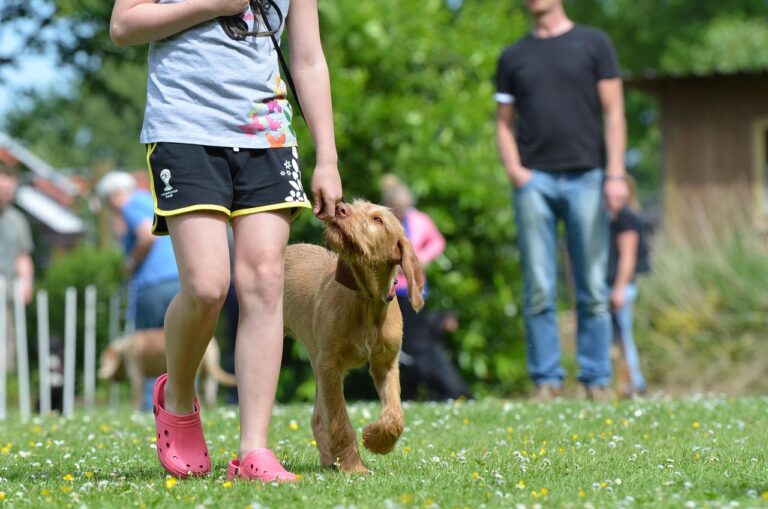
Dogs with anxiety can exhibit behaviors like excessive barking, pacing, chewing, or even self-harm. Whether it’s separation anxiety, noise phobia, or generalized anxiety, the right approach can help your dog feel more secure and confident. Here’s a comprehensive guide to managing canine anxiety effectively.
Key Takeaways: Quick Solutions for Dogs with Anxiety 📝
- What causes dog anxiety? 🐕 Triggers include loud noises, being left alone, or changes in routine.
- How to calm an anxious dog? 🐾 Use training techniques, safe spaces, and calming aids.
- Is medication necessary? 💊 In severe cases, yes—vet-prescribed meds can help.
- Are there natural remedies? 🌿 Yes, supplements like melatonin or pheromone sprays may work.
- Can anxiety be cured? 🔄 It can often be managed, but some dogs need lifelong support.
🐕 What Causes Anxiety in Dogs?
Short Answer: Anxiety stems from triggers like loud noises, unfamiliar environments, separation from owners, or past trauma.
Understanding the root cause of anxiety is essential for determining the best treatment. Dogs can develop anxiety at any age, but early interventions can prevent worsening symptoms.
| Trigger | Why It Causes Anxiety | 💡 Tip |
|---|---|---|
| Separation | Fear of being left alone. | 🐾 Gradually increase time apart to desensitize. |
| Noise Phobia | Fireworks, thunderstorms, or loud sounds. | ✅ Play calming music or use white noise machines. |
| Social Anxiety | Fear of new people, animals, or places. | 🩺 Expose your dog slowly to new situations. |
| Past Trauma | Abuse or neglect can trigger fear. | 🐾 Build trust with patience and positive reinforcement. |
🌟 How Can Training Help?
Short Answer: Behavioral training like desensitization and counterconditioning can help your dog develop positive associations with anxiety triggers.
Using rewards-based training teaches dogs that the things they fear aren’t harmful. Over time, they become less reactive to these stimuli.
| Training Technique | How It Works | 💡 Tip |
|---|---|---|
| Desensitization | Gradual exposure to the trigger. | 🐾 Start with low-intensity exposure to avoid overwhelming your dog. |
| Counterconditioning | Pair triggers with treats or playtime. | ✅ Use high-value rewards like cooked chicken. |
| Clicker Training | Reinforces calm behavior with a “click.” | 🩺 Ensure training sessions are short and positive. |
🏠 How Can a Safe Space Help Your Dog?
Short Answer: Creating a designated safe zone gives your dog a secure place to retreat when they feel stressed.
A calm, quiet area equipped with familiar items like blankets, toys, and a crate can act as a “comfort zone” during episodes of anxiety.
| Feature | How It Helps | 💡 Tip |
|---|---|---|
| Crate or Den | Mimics a cozy, enclosed environment. | 🐾 Leave the door open to ensure they don’t feel trapped. |
| Familiar Scents | Reduces stress through olfactory comfort. | ✅ Use an unwashed piece of your clothing for familiarity. |
| Noise Reduction | Minimizes loud or startling sounds. | 🩺 Place the safe space in a quiet corner of the house. |
🎵 Can Calming Aids Reduce Anxiety?
Short Answer: Yes, calming aids like pheromone diffusers, pressure vests, and white noise machines can provide immediate relief.
These tools are especially useful for situational anxiety, such as thunderstorms or travel-related stress.
| Aid | How It Helps | 💡 Tip |
|---|---|---|
| Adaptil Diffuser | Releases dog-calming pheromones. | ✅ Plug it near the safe space for maximum effect. |
| ThunderShirt | Applies gentle, calming pressure. | 🐾 Use during storms or vet visits for comfort. |
| Calming Music | Reduces stress with soothing frequencies. | 🩺 Try playlists designed for anxious dogs. |
💊 When Is Medication Necessary?
Short Answer: Medications like SSRIs or benzodiazepines are effective for severe anxiety but should be used alongside training and environmental adjustments.
For chronic or debilitating anxiety, a vet may prescribe medications to reduce your dog’s stress levels. Medications often serve as a supplement to other strategies, not a standalone solution.
| Medication Type | Use Case | 💡 Tip |
|---|---|---|
| Fluoxetine (SSRI) | For generalized anxiety or separation issues. | 🐾 Monitor for side effects like appetite changes. |
| Clomipramine (TCA) | Helps with compulsive behaviors. | ✅ Combine with behavioral therapy for best results. |
| Benzodiazepines | For situational anxiety like vet visits. | 🩺 Use as needed, not daily, to avoid dependency. |
🌿 Are Natural Remedies Effective?
Short Answer: 🌟 Natural options like CBD oil, melatonin, or calming herbs may help mild to moderate anxiety but should be used under veterinary supervision.
Many pet owners turn to natural remedies to avoid medications. While some of these can be effective, their results vary depending on the individual dog and anxiety level.
| Remedy | How It Works | 💡 Tip |
|---|---|---|
| CBD Oil | May reduce anxiety through endocannabinoid support. | 🐾 Choose pet-specific CBD products with proper dosages. |
| Chamomile Tea | Has mild sedative effects. | ✅ Cool the tea before offering it to your dog. |
| Pheromone Collars | Mimic maternal pheromones to calm dogs. | 🩺 Check for any signs of irritation when using collars. |
🐾 How Important is Routine for Anxiety Management?
Short Answer: A predictable routine reduces uncertainty, helping anxious dogs feel more secure.
Consistency in feeding, exercise, and playtime helps dogs understand what to expect, minimizing stress from unexpected changes.
| Aspect | Why It Matters | 💡 Tip |
|---|---|---|
| Feeding Schedule | Provides structure and reliability. | 🐾 Feed at the same times every day. |
| Exercise Routine | Releases pent-up energy, reducing anxiety. | ✅ Include at least 30 minutes of activity daily. |
| Bedtime Rituals | Promotes calmness at night. | 🩺 Use the same sleeping space to reinforce routine. |
🚗 What About Travel Anxiety?
Short Answer: Gradual exposure to car rides and travel aids like calming sprays can reduce travel-related stress.
Travel can be a significant trigger for anxious dogs, but preparation and positive reinforcement can make the process easier.
| Challenge | Solution | 💡 Tip |
|---|---|---|
| Fear of Car Rides | Gradual exposure with rewards. | 🐾 Start with short, positive car trips. |
| Motion Sickness | Ginger treats or vet-prescribed medications. | ✅ Avoid feeding your dog 2 hours before travel. |
| New Environments | Bring familiar items like toys or blankets. | 🩺 Use calming aids during trips for added comfort. |
Quick Recap: Top 10 Tips for Dogs with Anxiety 📝
- Understand Triggers 🐾: Identify and avoid stressors.
- Behavioral Training 🌟: Use desensitization and counterconditioning.
- Create a Safe Space 🏠: Provide a secure area for your dog.
- Use Calming Aids 🎵: Try pheromones, pressure vests, or music.
- Medication 💊: For severe cases, consult your vet for prescriptions.
- Natural Remedies 🌿: Consider CBD or herbal options under vet guidance.
- Establish a Routine 🔄: Stick to consistent schedules.
- Travel Support 🚗: Ease anxiety with gradual exposure and familiar items.
- Exercise 🏃: Provide daily physical and mental stimulation.
- Professional Help 🩺: Consult a veterinary behaviorist if anxiety persists.
By implementing these strategies, you can help your dog manage anxiety and lead a more confident, happy life. 🐶❤️
💬 Comment 1: “Can exercise really reduce anxiety in dogs?”
Short Answer: 🐾 Yes, exercise plays a significant role in reducing anxiety by releasing pent-up energy, stimulating endorphin production, and promoting relaxation.
Dogs with excess energy often exhibit anxious behaviors like pacing, barking, or destructive chewing. Regular physical activity not only helps burn off this energy but also provides mental stimulation and reduces stress hormones like cortisol. For anxious dogs, structured exercise such as walks, fetch, or agility training is especially effective.
| Exercise Type | How It Helps | 💡 Tip |
|---|---|---|
| Daily Walks | Releases energy and offers mental stimulation. | 🐾 Incorporate sniffing breaks for added enrichment. |
| Fetch or Tug | Combines physical and interactive play. | ✅ Use anxiety-reducing toys for multitasking. |
| Agility Training | Builds confidence and reduces boredom. | 🩺 Start with basic obstacles for ease of learning. |
💬 Comment 2: “How do I introduce my dog to a calming aid like a ThunderShirt?”
Short Answer: 🌟 Introduce a ThunderShirt gradually, ensuring it feels safe and comfortable, to maximize its calming effect.
Start by allowing your dog to sniff and explore the ThunderShirt without putting it on. Next, gently drape it over their back without securing it. Gradually fasten it in short sessions while offering treats and praise. This positive association helps your dog view the ThunderShirt as a comforting tool, not a restriction.
| Introduction Step | Why It’s Important | 💡 Tip |
|---|---|---|
| Exploration Phase | Reduces fear of the unfamiliar item. | 🐾 Let your dog interact with it at their own pace. |
| Short Wear Sessions | Builds positive associations with treats. | ✅ Use during calm moments before stressful events. |
| Consistent Use | Ensures effectiveness during high-stress times. | 🩺 Combine with other calming strategies for best results. |
💬 Comment 3: “Are there specific toys that help reduce anxiety?”
Short Answer: ✅ Yes, toys that engage your dog’s mind or provide comfort can effectively reduce anxiety.
Interactive toys like puzzle feeders keep dogs mentally stimulated and distracted from triggers, while comfort toys mimic the warmth and softness of a companion. Chew toys also release endorphins and reduce stress through repetitive chewing motions.
| Toy Type | How It Helps | 💡 Tip |
|---|---|---|
| Puzzle Feeders | Keeps your dog’s mind occupied. | 🐾 Use with high-value treats to maintain interest. |
| Comfort Toys | Mimic the scent or feel of a companion. | ✅ Choose washable options for easy maintenance. |
| Chew Toys | Relieves stress through repetitive chewing. | 🩺 Opt for durable materials to avoid choking hazards. |
💬 Comment 4: “Can certain foods or diets reduce anxiety in dogs?”
Short Answer: 🥦 Yes, diets rich in omega-3 fatty acids, tryptophan, and antioxidants can support a calm and balanced mood in dogs.
Omega-3s from fish oil reduce inflammation and improve brain health, while tryptophan (found in turkey and eggs) boosts serotonin production. Antioxidant-rich foods like blueberries and spinach combat oxidative stress, which can exacerbate anxiety.
| Nutrient | How It Supports Calmness | 💡 Tip |
|---|---|---|
| Omega-3 Fatty Acids | Reduces brain inflammation and promotes relaxation. | 🐾 Add fish oil to meals for an easy boost. |
| Tryptophan | Increases serotonin, improving mood. | ✅ Mix cooked turkey or eggs into regular meals. |
| Antioxidants | Protects brain cells from oxidative damage. | 🩺 Include fruits like blueberries as a snack. |
💬 Comment 5: “Can I combine training with medication for faster results?”
Short Answer: 🩺 Yes, combining training with vet-prescribed medication can create a synergistic effect, addressing both the behavioral and biological aspects of anxiety.
Medications like fluoxetine or clomipramine stabilize your dog’s mood, making them more receptive to training. This allows behavioral interventions like desensitization or counterconditioning to progress more effectively. However, regular vet check-ins are essential to monitor progress and adjust dosages if needed.
| Combination | Why It Works | 💡 Tip |
|---|---|---|
| Medication + Desensitization | Reduces baseline anxiety, easing exposure to triggers. | 🐾 Start training in a controlled, quiet environment. |
| Medication + Counterconditioning | Creates positive associations faster. | ✅ Use high-value rewards during training sessions. |
| Follow-Up Care | Ensures safety and progress. | 🩺 Schedule regular vet check-ins to fine-tune treatments. |
💬 Comment 6: “Is crate training helpful for dogs with anxiety?”
Short Answer: 🐕 Yes, when used correctly, crate training can provide a safe, secure space that helps reduce anxiety.
Dogs naturally seek out small, enclosed spaces to feel safe. A crate, when introduced positively, becomes their personal retreat during stressful times. Avoid using the crate as punishment, as this can increase anxiety rather than alleviate it.
| Aspect | How It Helps | 💡 Tip |
|---|---|---|
| Positive Introduction | Builds trust in the crate as a safe zone. | 🐾 Leave the door open for free access initially. |
| Comfort Items | Adds familiarity with bedding or toys. | ✅ Include a shirt with your scent for added comfort. |
| Stress-Free Usage | Prevents crate aversion. | 🩺 Limit crate time to avoid feelings of isolation. |
💬 Comment 7: “How do I know if my dog’s anxiety requires professional help?”
Short Answer: ⚠️ Seek professional help if your dog’s anxiety leads to self-harm, aggression, or significantly disrupts daily life.
Dogs showing extreme behaviors like incessant barking, destructive chewing, or attempts to escape during anxious episodes may benefit from evaluation by a veterinary behaviorist. Persistent anxiety that doesn’t improve with basic strategies also warrants expert intervention.
| Behavior | What It Indicates | 💡 Tip |
|---|---|---|
| Self-Harm | Excessive licking or chewing causing injuries. | 🐾 Seek immediate vet consultation. |
| Destructive Chewing | Stress from separation or boredom. | ✅ Increase mental stimulation and activity. |
| Aggression | Fear-based reactions to triggers. | 🩺 Work with a behaviorist to ensure safety. |
💬 Comment 8: “Are anxiety supplements like CBD oil effective?”
Short Answer: 🌿 CBD oil can be effective for mild to moderate anxiety, but results vary by dog and dosage.
CBD interacts with the endocannabinoid system, promoting relaxation and reducing stress. However, not all dogs respond to it, and improper dosages can lead to lethargy or gastrointestinal upset. Always use high-quality, vet-approved CBD products.
| Aspect | What to Consider | 💡 Tip |
|---|---|---|
| Quality Matters | Low-quality products may lack potency. | ✅ Choose CBD from reputable pet-focused brands. |
| Start Low | Begin with a small dose and increase gradually. | 🐾 Monitor for any side effects like drowsiness. |
| Veterinary Guidance | Ensures safe and effective use. | 🩺 Discuss with your vet before starting CBD. |
💬 Comment 9: “Can anxiety in dogs get worse if left untreated?”
Short Answer: ⚠️ Yes, untreated anxiety can escalate, leading to more severe behavioral issues, health problems, and reduced quality of life for your dog.
Chronic anxiety can manifest in destructive behaviors, such as excessive chewing, digging, or self-harming tendencies like licking until wounds form. Additionally, prolonged stress can suppress the immune system, making dogs more prone to infections and illnesses.
| Untreated Anxiety Impact | How It Progresses | 💡 Tip |
|---|---|---|
| Behavioral Escalation | Anxiety worsens with repeated triggers. | 🐾 Address triggers early with desensitization techniques. |
| Health Issues | Chronic stress weakens the immune system. | ✅ Include calming supplements with immune-supportive nutrients. |
| Compromised Bond | Reduced trust and interaction with owners. | 🩺 Spend quality time reinforcing positive interactions. |
💬 Comment 10: “What’s the difference between fear and anxiety in dogs?”
Short Answer: 🐕 Fear is a response to a specific, immediate threat, while anxiety is a generalized state of worry or anticipation of future stress.
Fear is temporary and usually subsides once the threat is removed. Anxiety, on the other hand, can linger and manifest as restlessness, panting, or avoidance behaviors, even in the absence of an immediate trigger. Recognizing the distinction helps tailor the right treatment approach.
| Emotion | How It Presents in Dogs | 💡 Tip |
|---|---|---|
| Fear | Acute response to loud noises or strangers. | 🐾 Remove or desensitize your dog to the trigger. |
| Anxiety | Persistent worry, even in familiar settings. | ✅ Create a consistent routine to reduce uncertainty. |
| Overlap | Anxiety can develop from repeated fearful events. | 🩺 Use counterconditioning to build confidence. |
💬 Comment 11: “Can I use essential oils to calm my anxious dog?”
Short Answer: 🌿 Some essential oils, like lavender and chamomile, may help reduce anxiety in dogs, but they must be used with caution.
Essential oils should never be applied directly to your dog’s skin or ingested. Instead, use a diffuser to release diluted scents into the air. Be mindful of your dog’s reactions, as some pets may be sensitive to certain smells. Always choose pet-safe, vet-approved oils.
| Essential Oil | How It Helps | 💡 Tip |
|---|---|---|
| Lavender | Promotes relaxation and reduces stress. | 🐾 Place the diffuser in your dog’s safe space for calming effects. |
| Chamomile | Eases nervousness and promotes sleep. | ✅ Use only therapeutic-grade, dog-safe oils. |
| Caution | Some oils (e.g., tea tree, citrus) are toxic. | 🩺 Consult your vet before introducing essential oils. |
💬 Comment 12: “How can I help my dog during thunderstorms?”
Short Answer: ⚡ Use a combination of noise masking, safe spaces, and calming aids to manage thunderstorm anxiety effectively.
Dogs with thunderstorm phobia often exhibit trembling, hiding, or vocalizing. Playing white noise or calming music can help mask the sound of thunder. A designated safe area, such as a crate or closet with comforting items, can also provide refuge.
| Storm Anxiety Solution | Why It Works | 💡 Tip |
|---|---|---|
| White Noise Machines | Masks loud, sudden thunderclaps. | 🐾 Introduce the sound machine before the storm for acclimation. |
| Weighted Blankets | Provides calming pressure. | ✅ Use alongside a ThunderShirt for extra security. |
| Pheromone Diffusers | Eases nervous behavior. | 🩺 Plug in before storm season for continuous effect. |
💬 Comment 13: “Does socialization help prevent anxiety in dogs?”
Short Answer: 🐾 Yes, early and consistent socialization helps dogs adapt to new people, environments, and experiences, reducing the likelihood of developing anxiety.
Socialization exposes your dog to diverse situations during their formative stages, building confidence and teaching them that new stimuli are not threats. Even adult dogs can benefit from controlled exposure to reduce anxiety.
| Socialization Method | How It Helps | 💡 Tip |
|---|---|---|
| Puppy Classes | Introduces new dogs and people in safe settings. | 🐾 Reward calm behavior with treats or praise. |
| Leash Walks | Exposes dogs to varied environments gradually. | ✅ Choose low-traffic areas to avoid overwhelming your dog. |
| Playdates | Builds positive associations with other dogs. | 🩺 Monitor interactions to ensure they remain friendly. |
💬 Comment 14: “Are anxiety behaviors in senior dogs different?”
Short Answer: 🐕 Yes, senior dogs may experience anxiety differently, often linked to cognitive decline or health issues.
Older dogs with cognitive dysfunction syndrome (CDS) can show increased confusion, restlessness, and separation anxiety. Pain from arthritis or sensory decline (e.g., hearing loss) can also contribute to anxiety-like behaviors.
| Senior Dog Anxiety Cause | How It Manifests | 💡 Tip |
|---|---|---|
| Cognitive Decline (CDS) | Wandering, confusion, or increased vocalization. | 🐾 Provide mental stimulation like food puzzles. |
| Chronic Pain | Restlessness, refusal to settle. | ✅ Schedule regular vet visits to manage pain. |
| Sensory Decline | Fearfulness due to hearing or vision loss. | 🩺 Keep the environment consistent to reduce confusion. |
💬 Comment 15: “Can dogs outgrow anxiety?”
Short Answer: 🔄 Some dogs may improve with age and consistent training, but others may require lifelong support to manage anxiety.
Puppy anxiety is often temporary, as young dogs learn to navigate their environment. However, anxiety stemming from trauma or genetic predisposition may persist without proper interventions.
| Anxiety Type | Likelihood of Improvement | 💡 Tip |
|---|---|---|
| Puppy Fear Stages | Often resolves with socialization and training. | 🐾 Be patient and consistent with exposure techniques. |
| Trauma-Related Anxiety | Requires longer-term behavioral modification. | ✅ Consult a behaviorist for tailored strategies. |
| Genetic Predisposition | May need lifelong management. | 🩺 Use a combination of training, supplements, and calming aids. |