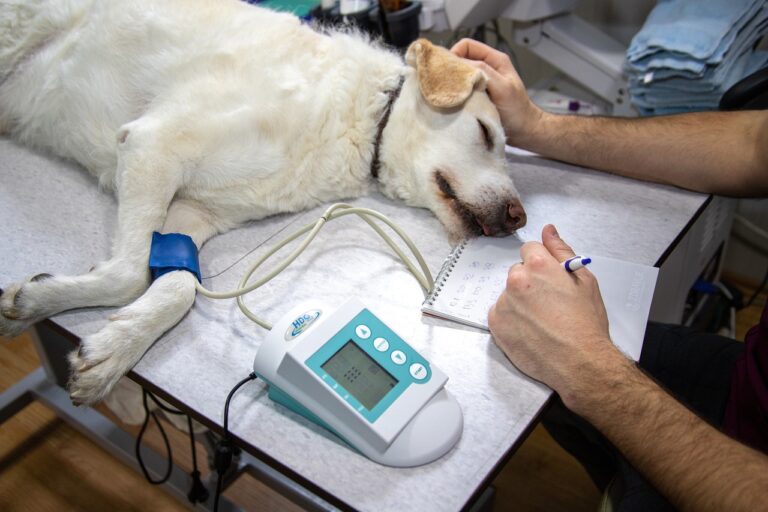
A dog’s eye infection can cause discomfort, pain, and even more severe health complications if left untreated. As a pet owner, it’s crucial to understand not only the treatments involved but also the potential costs associated with veterinary care. From initial consultations to medications and follow-up appointments, knowing what to expect can help you prepare financially and ensure your dog gets the best care possible.
Key Takeaways: Quick Answers About the Cost of Treating Dog Eye Infections
- How much does a vet visit cost for an eye infection? The typical range is $50 to $100 for the exam alone.
- What are the costs for medications? Antibiotic eye drops range from $10 to $30, while more complex medications like steroid ointments may cost $20 to $50.
- Can additional tests raise the cost? Yes, diagnostics such as an eye pressure test or swabs can add $50 to $100.
- Are there any affordable treatment options? Some low-cost clinics and charitable organizations can help reduce costs.
- What’s the total cost for treating a mild infection? The full treatment for a mild infection could range from $60 to $150.
💸 How Much Does a Vet Visit Cost for a Dog Eye Infection?
The cost of a vet visit to diagnose and treat a dog’s eye infection depends on several factors, including location, the severity of the infection, and whether specialized care is needed.
- Initial Examination: Most veterinary clinics charge a standard fee for an initial examination, which typically ranges from $50 to $100. This fee covers the vet’s evaluation of your dog’s symptoms, checking for redness, discharge, or swelling, and determining the cause of the infection.
- Specialized Eye Exam: If your vet believes a more detailed eye exam is necessary, the cost could rise to $100 to $150, especially if the infection is affecting the cornea or there’s suspicion of a deeper underlying issue such as glaucoma.
- Follow-Up Visits: If your dog’s infection doesn’t clear up after initial treatment, follow-up visits may be needed, which could cost an additional $30 to $70 depending on the vet.
📊 Vet Visit Costs for Dog Eye Infections 💵
| Service 🏥 | Estimated Cost 💰 |
|---|---|
| Initial Exam | $50 – $100 |
| Specialized Eye Examination | $100 – $150 |
| Follow-Up Visits | $30 – $70 |
💡 Pro Tip: Some veterinary clinics offer new patient discounts or special promotions for first-time visits, which could lower the overall exam cost.
💊 How Much Will Eye Infection Medications Cost for My Dog?
The type of medication your vet prescribes will depend on the cause of the infection, whether it’s bacterial, fungal, or related to an allergy or injury.
- Antibiotic Eye Drops/Ointments: For bacterial infections, your vet will likely prescribe antibiotic eye drops or ointments. These medications can range from $10 to $30, depending on the brand and dosage required.
- Steroid Medications: In cases where inflammation needs to be reduced, a steroid-based eye drop or ointment may be prescribed, costing between $20 and $50. This is often used for conditions like conjunctivitis or corneal ulcers.
- Antifungal Treatments: If the infection is fungal, antifungal drops may be needed, and these typically cost $15 to $40, depending on the severity and medication required.
- Oral Medications: For more severe or systemic infections, your vet may prescribe oral antibiotics, which usually cost $15 to $50.
📊 Medication Costs for Dog Eye Infections 🐕💊
| Type of Medication 🩺 | Estimated Cost 💰 |
|---|---|
| Antibiotic Eye Drops | $10 – $30 |
| Steroid Eye Drops/Ointment | $20 – $50 |
| Antifungal Drops | $15 – $40 |
| Oral Antibiotics | $15 – $50 |
💡 Pro Tip: Some vets may offer generic medications at a lower cost. Ask about generic alternatives if price is a concern, as they can be equally effective and more affordable.
🧪 What Additional Tests Could Increase the Cost?
In some cases, your dog’s eye infection might require additional tests to pinpoint the cause of the infection or assess its severity. These diagnostic tests can add to the overall cost of treatment.
- Eye Swab and Culture: If the vet needs to determine the specific bacteria or fungus causing the infection, an eye swab and culture may be taken. This test can cost between $50 and $100, depending on the clinic.
- Tear Production Test (Schirmer Test): For dogs with symptoms of dry eye (keratoconjunctivitis sicca), a tear production test is often performed. This test typically costs around $20 to $40 and helps diagnose whether your dog is producing enough tears to maintain proper eye health.
- Eye Pressure Test (Tonometry): If your vet suspects glaucoma or increased eye pressure, a tonometry test may be necessary. This test costs between $25 and $75.
📊 Additional Diagnostic Test Costs 🧪
| Diagnostic Test 🔬 | Estimated Cost 💰 |
|---|---|
| Eye Swab and Culture | $50 – $100 |
| Tear Production Test | $20 – $40 |
| Eye Pressure Test (Tonometry) | $25 – $75 |
💡 Pro Tip: If your dog requires additional tests, some clinics offer bundled pricing, which may include both the exam and necessary diagnostics at a reduced rate.
🩹 Are There Affordable Treatment Options for Dog Eye Infections?
If vet costs are a concern, there are several ways to make treating your dog’s eye infection more affordable without compromising on quality care.
- Low-Cost Clinics: Many communities have low-cost veterinary clinics that offer exams and treatments at reduced prices. These clinics are often associated with humane societies or animal shelters and provide essential care for a fraction of the cost.
- Charitable Organizations: Organizations like The Pet Fund or RedRover Relief offer financial assistance for pet owners who cannot afford veterinary care. If you’re facing a costly treatment plan, reach out to these nonprofits for help.
- CareCredit: Many veterinary clinics accept CareCredit, a financing option that allows you to spread out vet bills into manageable payments. This is particularly helpful for unexpected vet visits or more extensive treatment plans.
📊 Affordable Options for Dog Eye Infections 💡
| Option 🌟 | Details 🏥 |
|---|---|
| Low-Cost Vet Clinics | Reduced pricing for basic treatments |
| Charitable Organizations | Financial aid for vet care |
| CareCredit | Financing plans for vet bills |
💡 Pro Tip: Check with local vet schools—they often provide care at a lower cost, as procedures are performed by vet students under supervision.
📅 How Much Does It Cost to Treat a Mild vs. Severe Eye Infection?
The total cost of treating your dog’s eye infection will depend on the severity of the condition and the type of care required.
- Mild Infections: A mild bacterial or fungal eye infection can often be treated with a basic vet exam and prescription drops or ointments. In this case, the total cost might range from $60 to $150, including the initial consultation and medication.
- Severe Infections: For more severe infections that require additional tests, stronger medications, or follow-up visits, the cost could escalate to $200 to $500 or more, depending on the level of care needed.
📊 Cost Comparison: Mild vs. Severe Eye Infection Treatment 🐕💵
| Severity 🩺 | Estimated Cost 💰 |
|---|---|
| Mild Infection | $60 – $150 |
| Severe Infection | $200 – $500+ |
💡 Pro Tip: If your dog’s eye infection is caught early, treatment will likely be more affordable. Don’t wait to schedule a vet visit at the first signs of infection.
🗝️ Key Takeaways About Vet Costs for Dog Eye Infections
- Expect to pay $50 to $100 for an initial exam, with additional costs for medications and tests.
- Antibiotic or steroid eye drops typically cost $10 to $50, depending on the prescription.
- Additional tests, like eye cultures or pressure tests, can add $20 to $100 to your vet bill.
- For mild infections, treatment costs range from $60 to $150; severe cases can escalate to $500 or more.
- Low-cost clinics, financial aid, and payment plans can make treatment more affordable.
💬 Comment 1: “Can eye infections in dogs heal on their own without vet treatment?”
In most cases, eye infections in dogs will not heal on their own and require veterinary treatment to prevent the condition from worsening. Here’s why professional care is crucial:
- Underlying Cause: Eye infections are typically caused by bacteria, fungi, allergies, or injuries. Without vet-prescribed medication, such as antibiotics or antifungals, the infection can persist or spread, potentially leading to more serious conditions like corneal ulcers or even vision loss.
- Risk of Complications: If left untreated, a minor eye infection could quickly develop into a chronic condition, causing long-term discomfort or damage to your dog’s eye. More severe cases, like glaucoma or uveitis, could even require surgery if not addressed early.
- Symptom Management: While home remedies may offer some temporary relief, they won’t eliminate the root cause of the infection. Only veterinary treatments tailored to your dog’s specific condition can effectively clear up the infection and prevent it from recurring.
💡 Pro Tip: If your dog shows signs of an eye infection—such as discharge, redness, or constant squinting—seek veterinary care immediately. Early intervention reduces the risk of long-term complications and keeps treatment costs lower.
💬 Comment 2: “Can I use over-the-counter human eye drops for my dog’s eye infection?”
No, it’s not safe to use over-the-counter human eye drops for your dog’s eye infection. Dog eyes are far more sensitive, and using inappropriate medications can lead to irritation, worsened symptoms, or even serious damage to your dog’s eye. Here’s why:
- Different Formulations: Human eye drops are formulated for the unique structure and pH of human eyes, which differ from those of dogs. Some drops contain preservatives or other chemicals that can irritate your dog’s eyes, especially if they already have an infection or inflammation.
- Proper Diagnosis Needed: There are several causes of dog eye infections—bacterial, fungal, or allergic—and each requires a different treatment. Without a proper diagnosis, using random eye drops might mask symptoms but won’t target the actual issue, potentially worsening the infection.
- Specific Medications: Your vet will prescribe eye drops or ointments specifically designed for canine eye infections, such as antibiotic eye drops for bacterial infections or steroid-based drops for inflammation. These medications are safe for dogs and will be much more effective.
💡 Pro Tip: Always use medications prescribed by your vet. If cost is a concern, ask your vet about generic versions of prescription eye drops, which can be more affordable and equally effective.
💬 Comment 3: “How can I tell if my dog’s eye infection is serious?”
Recognizing the signs of a serious eye infection in your dog is critical to ensuring timely treatment. While mild infections can be easily treated, more severe infections can lead to permanent damage if not addressed promptly. Here’s what to watch for:
- Heavy Discharge: If your dog’s eyes produce yellow, green, or bloody discharge, this is usually a sign of a bacterial infection or a more serious underlying condition that requires immediate vet attention.
- Excessive Redness or Swelling: If the area around your dog’s eyes is visibly swollen or red, it’s a sign of inflammation. While mild redness might indicate irritation, significant swelling suggests a deeper infection or trauma to the eye.
- Squinting or Sensitivity to Light: Dogs with eye infections often squint or seem sensitive to light. If your dog is constantly closing one eye, rubbing their face on furniture, or avoiding bright areas, the infection could be affecting the deeper structures of the eye, such as the cornea.
- Hazy or Cloudy Eyes: If your dog’s eyes appear cloudy or hazy, this could indicate an infection affecting the cornea or even signs of glaucoma or cataracts. These conditions require immediate veterinary intervention.
💡 Pro Tip: If you observe any of these symptoms, don’t wait to see if the infection clears up on its own. Seek veterinary care immediately to prevent the condition from worsening or causing permanent damage.
💬 Comment 4: “Can I prevent my dog from getting eye infections in the future?”
Yes, there are several steps you can take to prevent eye infections in your dog, especially if they are prone to them. Preventive care can help minimize the risk of infections and keep your dog’s eyes healthy.
- Regular Eye Cleaning: Keep your dog’s eyes clean by wiping away debris or discharge with a damp, clean cloth or a vet-approved eye wipe. This is especially important for dogs with long hair around their eyes or breeds prone to tear staining, such as Poodles and Shih Tzus.
- Monitor Allergies: If your dog has allergies that cause irritation, work with your vet to manage them. Allergies often cause dogs to rub or scratch their eyes, which can lead to infection. Your vet might recommend antihistamines or allergy-specific eye drops to control symptoms.
- Grooming: Keep the hair around your dog’s eyes trimmed to prevent it from irritating the eyes or trapping dirt and debris. Grooming is particularly important for long-haired breeds like Cocker Spaniels or Maltese.
- Protect Against Irritants: Be cautious of what your dog comes into contact with. Dust, pollen, chemicals, or foreign objects can all trigger eye irritation that could lead to infection. If you live in a dusty area or take your dog to the beach or park often, clean their eyes afterward with a gentle solution.
💡 Pro Tip: Keep an eye on your dog’s behavior. If you notice frequent pawing at their eyes or excessive tearing, take proactive steps to clean their eyes or schedule a vet visit to address underlying issues.
💬 Comment 5: “How long does it take for a dog’s eye infection to heal with treatment?”
The healing time for a dog’s eye infection depends on several factors, including the severity of the infection, the type of treatment used, and how well your dog responds to medication. Here’s a general breakdown of what to expect:
- Mild Infections: If your dog has a mild bacterial or fungal infection, it can start improving within 48 to 72 hours of starting treatment with antibiotics or antifungal drops. Full recovery usually takes about 7 to 10 days, depending on the cause.
- More Severe Cases: For more severe infections, especially those affecting the cornea or involving deeper inflammation, the healing process can take 2 to 4 weeks. These cases often require a combination of medications, such as antibiotics, steroids, and anti-inflammatories.
- Chronic Conditions: If the infection is related to a chronic condition like dry eye or an autoimmune disorder, your dog may require ongoing treatment to manage the condition. While flare-ups can be controlled, these dogs may need regular eye drops or medication to prevent future infections.
💡 Pro Tip: It’s important to follow the full course of treatment prescribed by your vet, even if symptoms improve within a few days. Stopping treatment early can cause the infection to come back stronger.
💬 Comment 6: “Is there anything I can do at home to ease my dog’s discomfort during an eye infection?”
While it’s important to rely on vet-prescribed medications for treating an eye infection, there are a few things you can do at home to help relieve your dog’s discomfort:
- Warm Compresses: Apply a warm, damp cloth to your dog’s eye for a few minutes at a time. This can help soothe irritation and reduce any swelling or discharge. Make sure the cloth is clean and not too hot—test it on your own skin first.
- Keep the Eyes Clean: Gently wipe away any discharge with a soft cloth or gauze pad dampened with warm water. This will prevent the buildup of debris and help your dog feel more comfortable between doses of medication.
- Limit Exposure to Light: Dogs with eye infections are often sensitive to bright light. Keep your dog in a dimly lit room and avoid taking them outside during the brightest part of the day until their infection improves.
- Collar for Protection: If your dog is pawing or scratching at their eyes due to discomfort, consider using an Elizabethan collar (e-collar) to prevent further injury. Scratching can worsen the infection or damage the cornea.
💡 Pro Tip: Always wash your hands before and after cleaning your dog’s eyes or applying medication to prevent spreading the infection or introducing new bacteria into their eyes.